10 Best Foods That Reduce Stress Hormones Naturally

Stress can take over your day before you even realize it, but the good news is that what you eat can make a powerful difference. Certain foods that reduce stress hormones work like natural mood stabilizers, helping lower cortisol, calm your mind, and support emotional balance. From nutrient-rich greens to antioxidant-packed fruits and soothing herbal drinks, these everyday foods can help you feel lighter, more focused, and more in control—without any pills or complicated routines.
Inside This Guide
- How stress hormones work and why they rise
- Foods that naturally lower cortisol
- The top 10 stress-reducing foods you can add daily
- Key nutrients that boost calmness
- Simple tips to keep stress levels low
- Final Thoughts
1. How Stress Hormones Work and Why They Rise
Stress hormones, primarily cortisol, are released by your adrenal glands whenever your body perceives a threat or high pressure. While these hormones are essential in small amounts for focus, energy, and the “fight or flight” response, chronic stress can lead to elevated cortisol levels, which may cause:
- Anxiety and irritability 😰
- Fatigue and low energy
- Weight gain, especially around the abdomen
- Trouble sleeping 💤
- Poor digestion and immunity
Cortisol rises naturally in stressful situations, but modern life often keeps it elevated for long periods — deadlines, traffic, financial worries, or even lack of sleep can all contribute. Over time, this imbalance not only affects your mental health but also your physical well-being.
2. Foods That Naturally Lower Cortisol
The good news? Certain foods can help bring cortisol levels down, calm your nervous system, and reduce stress naturally. Here are some powerful categories:
Leafy Greens 🥬
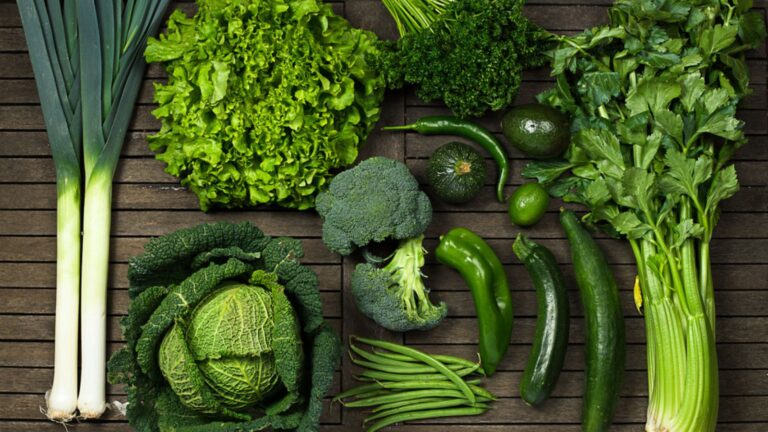
Spinach, kale, and other leafy greens are packed with magnesium, a mineral known to lower cortisol levels and improve relaxation. Including a salad or a green smoothie daily can help your body manage stress more effectively.
Fatty Fish 🐟
Salmon, mackerel, and sardines contain omega-3 fatty acids, which reduce inflammation and help balance stress hormones. Eating fatty fish 2–3 times a week can significantly improve mood and calmness.
Berries 🍓
Blueberries, raspberries, and strawberries are rich in antioxidants that fight oxidative stress in the body. They help protect your adrenal glands and keep cortisol in check while adding a natural sweetness to your diet.
Dark Chocolate 🍫
Yes, a little chocolate can be good! Dark chocolate with at least 70% cocoa can reduce stress hormones, improve mood, and even lower blood pressure. Enjoy in moderation for a healthy treat.
Herbal Teas ☕
Chamomile, green tea, and rooibos tea are known to calm the nervous system. Sipping a warm cup in the morning or evening can act as a mini relaxation ritual, helping your body lower cortisol naturally.
✅ Tip: Combine these foods throughout your day. For example, a spinach berry smoothie in the morning, grilled salmon for lunch, and chamomile tea before bed creates a full day of stress-reducing nourishment.
3. The Top 10 Stress-Reducing Foods You Can Add Daily
Adding the right foods to your diet can make a big difference in how your body handles stress. Here’s a list of 10 powerful stress-busting foods you can include in your daily meals:
1. Almonds 🌰
Almonds are rich in magnesium and vitamin E, both of which help regulate stress hormones. A handful of almonds as a snack can improve mood, reduce anxiety, and keep your energy steady throughout the day.
2. Avocado 🥑
Packed with healthy fats and potassium, avocados help lower blood pressure and reduce cortisol levels. Spread avocado on toast, add to salads, or enjoy in smoothies for a creamy stress-relieving boost.
3. Blueberries 🍇
Blueberries contain antioxidants called flavonoids that protect your brain from stress-induced damage. Eating a small bowl daily may improve memory, focus, and emotional resilience.
4. Oats 🥣
Oats are a complex carbohydrate that help stabilize blood sugar and promote serotonin production, the “feel-good” hormone. A warm bowl of oatmeal in the morning can reduce stress and keep you calm.
5. Dark Chocolate 🍫
As mentioned before, dark chocolate not only tastes amazing but also reduces cortisol and stimulates endorphins. Keep it under 30g a day for the best benefits.
6. Green Tea 🍵
Green tea contains L-theanine, an amino acid that promotes relaxation without drowsiness. A cup in the morning or afternoon can keep your mind calm and focused.
7. Spinach & Leafy Greens 🥬
Leafy greens provide magnesium, which is key to reducing stress and improving sleep. Add them to salads, soups, or smoothies daily.
8. Walnuts 🌰
Walnuts are high in omega-3 fatty acids, which reduce inflammation and help your brain cope with stress. Snack on a handful or add them to breakfast bowls or salads.
9. Yogurt / Kefir 🥛
Probiotics in yogurt and kefir support gut health, which is directly linked to mental health and stress regulation. A serving in the morning or as a snack can improve mood naturally.
10. Chamomile Tea ☕
Chamomile tea is calming and helps reduce cortisol levels. Enjoy it before bed as part of a nighttime routine for better sleep and stress relief.
✅ Quick Tip: You don’t have to eat all 10 foods in one day. Pick a few favorites and gradually rotate them into your meals. Over time, your body will naturally maintain lower stress hormone levels.
4. Key Nutrients That Boost Calmness
Stress doesn’t just come from your environment—it also depends on what your body lacks. Certain nutrients play a major role in calming your nervous system and keeping cortisol in check:
Magnesium 🥬
- Found in leafy greens, almonds, and oats
- Helps muscles relax and supports a healthy sleep cycle
Omega-3 Fatty Acids 🐟
- Found in salmon, walnuts, and flaxseeds
- Reduce inflammation and improve brain resilience under stress
Vitamin C 🍊
- Found in berries, citrus fruits, and bell peppers
- Lowers cortisol levels during stressful situations
B Vitamins 🥗
- Found in whole grains, leafy greens, and eggs
- Support adrenal health and improve mood stability
Antioxidants 🍓
- Found in berries, dark chocolate, and green tea
- Protect the body and brain from stress-related damage
Including these nutrients daily can make a significant difference in how your body reacts to stress.
5. Simple Tips to Keep Stress Levels Low
Eating the right foods is powerful, but combining them with simple lifestyle habits can supercharge your stress relief. Here are some practical tips to lower cortisol and feel calmer every day:
1. Stay Hydrated 💧
Dehydration can increase stress hormone levels and leave you feeling tired. Drink enough water throughout the day, and include herbal teas like chamomile or green tea for extra calming benefits.
2. Get Enough Sleep 🛌
Sleep deprivation raises cortisol and makes stress harder to manage. Aim for 7–9 hours of quality sleep each night. Pair your bedtime with relaxing foods like warm milk or chamomile tea to promote deeper rest.
3. Exercise Regularly 🏃♀️
Physical activity is one of the best natural ways to reduce cortisol. Even a 20-minute walk, stretching session, or home workout can improve mood and resilience to stress.
4. Practice Mindfulness 🧘
Meditation, deep breathing exercises, or simple mindfulness techniques can calm the nervous system and lower cortisol. Just 5–10 minutes a day can make a noticeable difference.
5. Plan Stress-Reducing Meals 🥗
Include stress-lowering foods daily: leafy greens, berries, nuts, fatty fish, and yogurt. Preparing meals in advance reduces decision fatigue and prevents unhealthy snacking when stressed.
6. Limit Caffeine & Sugar ☕🍩
High caffeine or sugar intake can spike cortisol levels. Swap sugary drinks or energy drinks with green tea or herbal teas to stay alert without adding stress to your body.
7. Connect with Loved Ones ❤️
Social support is key for stress management. Talking, laughing, or spending time with friends and family naturally reduces cortisol and boosts your mood.
Final Thoughts
Managing stress is not just about avoiding pressure—it’s about giving your body the right tools to cope. By including foods that reduce stress hormones, focusing on key nutrients, and following simple lifestyle tips, you can lower cortisol naturally, improve your mental well-being, and enjoy more calm, focus, and energy every day.
Remember, small daily changes can make a big difference over time. Start today with a handful of almonds, a cup of green tea, or a colorful bowl of berries, and let your body reap the benefits. 🌿✨
If you’re building a healthier lifestyle overall, you’ll love our complete Health & Wellness Guide—it covers habits, fitness, mental health, nutrition, and more in one place. Explore the full guide here → Health & Wellness Guide.
❓ Common Questions About Foods That Reduce Stress Hormones
Q1: What are stress hormones, and why should I reduce them?
Stress hormones like cortisol help your body respond to pressure, but when they stay high for too long, they can cause anxiety, fatigue, weight gain, poor sleep, and weakened immunity. Reducing them supports better mental and physical health.
Q2: Which foods are best for lowering cortisol naturally?
Foods rich in magnesium, omega-3 fatty acids, antioxidants, and probiotics—such as leafy greens, fatty fish, berries, nuts, yogurt, and herbal teas—are most effective at lowering cortisol naturally.
Q3: Can diet alone really reduce stress and anxiety?
Diet plays a major role, but it works best when combined with healthy sleep, regular exercise, hydration, and stress-management habits like mindfulness or deep breathing.
Q4: How fast do stress-reducing foods start working?
Some foods, like herbal teas or dark chocolate, may provide short-term calming effects, while long-term cortisol balance usually improves after consistent healthy eating over a few weeks.
Q5: Is dark chocolate really good for stress relief?
Yes, dark chocolate (70% cocoa or higher) contains antioxidants and compounds that can reduce cortisol and improve mood—when eaten in moderation.
Q6: Are herbal teas effective for reducing stress hormones?
Herbal teas like chamomile, green tea, and rooibos help calm the nervous system and support lower cortisol levels, especially when consumed regularly.
Q7: Can stress-reducing foods help with sleep problems?
Yes. Foods rich in magnesium, tryptophan, and antioxidants—such as oats, leafy greens, yogurt, and chamomile tea—can improve relaxation and sleep quality.
Q8: How often should I eat stress-lowering foods?
Ideally, include at least 2–3 stress-reducing foods daily. Consistency matters more than quantity for long-term hormone balance.
Q9: Are there any foods that increase stress hormones?
Yes. Excess caffeine, sugary foods, processed snacks, and alcohol can spike cortisol levels and worsen stress when consumed frequently.
Q10: Can everyone benefit from foods that reduce stress hormones?
Yes. While individual needs vary, most people can benefit from stress-reducing foods as part of a balanced diet, regardless of age or lifestyle.
Further Reading
For more information on stress-reducing foods and natural ways to lower cortisol, check out these trusted resources: