Forex Trading for Beginners: Learn Basics & Start Smart
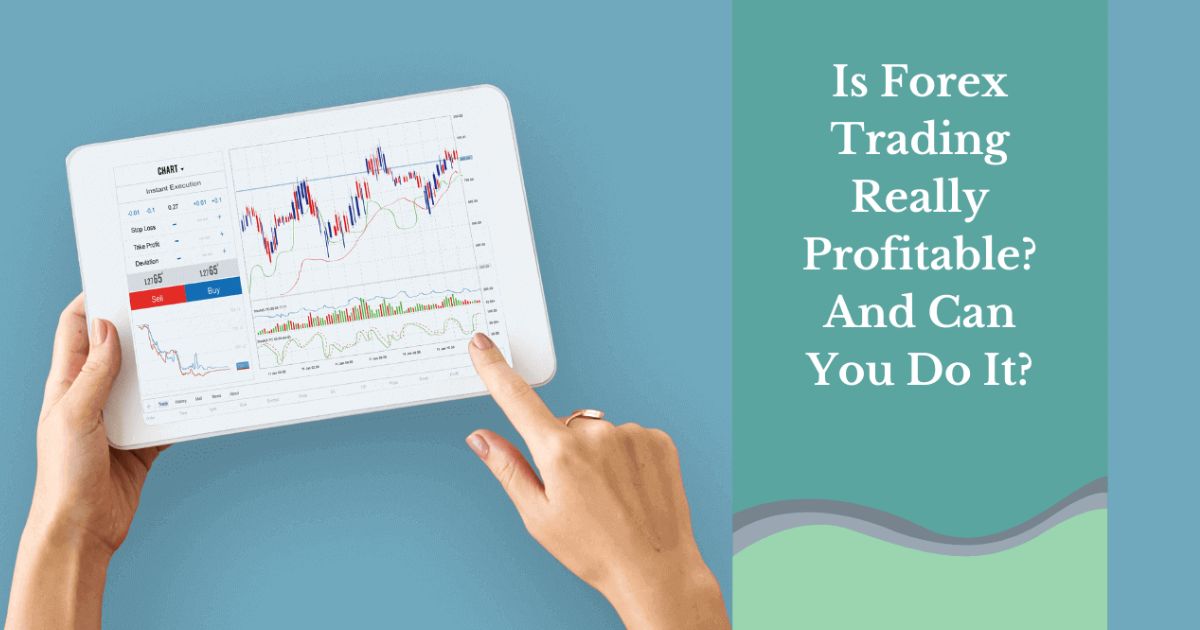
If you’re searching for forex trading for beginners, this guide will help you understand how the market works and what to focus on before opening your first account. From learning the basics to choosing a reliable broker and developing smart trading habits, you’ll get a clear roadmap to start safely and confidently. Whether you want to trade part-time or aim for long-term growth, this beginner-friendly guide covers everything you need to start smart.
In this article:
- Introduction: Why Forex Remains a Leading Financial Market
- What is Forex Trading? The Market That Never Sleeps
- Why Forex Attracts Traders Worldwide
- Common Myths About Forex (And the Truth Behind Them)
- The Essentials Every Beginner Must Know
- Why Choosing the Right Broker Matters
- Example of a Reputable Broker
- Step-by-Step: Getting Started Safely
- Smart Trading Habits for New Traders
- Advanced Tips: Growing From Beginner to Pro
- Why Long-Term Broker Stability Matters
- Frequently Asked Questions (FAQs)
- Conclusion: Your Journey Starts Today
1. Introduction: Why Forex Remains a Leading Financial Market
The world of finance keeps evolving, but one market has stood the test of time — forex trading. With trillions traded daily, forex remains the most liquid financial market worldwide. Unlike stocks or commodities, the forex market runs 24 hours a day, five days a week, making it accessible for people across the globe, no matter their time zone.
If you’ve ever wondered how traders profit by simply exchanging currencies, you’re not alone. More and more beginners are stepping into forex, drawn by its flexibility, low barriers to entry, and endless opportunities.
But here’s the truth: success in forex is not about luck. It’s about education, discipline, and choosing the right broker. In this guide, we’ll cover everything a beginner needs to know — from the basics of forex, to building smart habits, and finally, why choosing a well-regulated, transparent broker matters — and how to compare your options properly. One example is IC Markets, but beginners should always compare at least 2–3 brokers before deciding.
2. What is Forex Trading? The Market That Never Sleeps
Forex (short for foreign exchange) is the process of buying one currency while selling another. It’s what happens when you:
- Exchange dollars for euros on your holiday trip.
- See import/export businesses paying suppliers overseas.
- Or when traders speculate on currency movements to make a profit.
Unlike the stock market, forex has no central exchange. Instead, it’s an over-the-counter market where banks, institutions, and individual traders connect electronically.
Imagine EUR/USD is 1.1000.
If you think the euro will get stronger and it rises to 1.1050, that 50-pip move is where traders try to profit — if risk is controlled properly.This simple idea (buy when strong, sell when weak) is the foundation of forex — but success depends on planning, not guessing.
The best part? Because forex is global, it’s always open. When London traders wrap up for the day, New York traders are just getting started. When New York closes, Sydney and Tokyo step in. This means opportunities are always available.
👉 Once you’re comfortable with the basics, you can explore our detailed guide on Forex Trading Strategies to see the methods smart traders use.
3. Why Forex Attracts Traders Worldwide 🌍
There are countless reasons why forex is often the first choice for new traders. Here are a few:
1. Accessibility
With just a small initial deposit, anyone can start trading. Many modern brokers allow quick account setup and simple onboarding, without complicated paperwork.
2. High Liquidity
Because trillions are traded daily, forex markets rarely “freeze.” You can buy or sell currencies almost instantly, which is important when reacting to fast-moving opportunities.
3. Opportunities for All
Whether you’re a student looking to learn, a part-time trader, or a professional aiming for financial freedom, forex provides a flexible way to participate in global markets.
4. Common Myths About Forex (And the Truth Behind Them)
Before diving in, let’s clear up a few misconceptions:
- Myth 1: Forex is gambling.
✔️ Truth: Gambling is based on luck. Forex, on the other hand, is based on analysis, strategy, and risk management. - Myth 2: Only experts make money.
✔️ Truth: Every expert was once a beginner. With practice, demo accounts, and the right guidance, anyone can improve. - Myth 3: You need huge capital.
✔️ Truth: Brokers like IC Markets allow you to start small and grow step by step.
5. The Essentials Every Beginner Must Know
Before placing your first trade, there are a few key concepts:
Currency Pairs Explained
Currencies are always traded in pairs (EUR/USD, GBP/JPY, etc.). The first is the “base” currency, and the second is the “quote” currency.
Pips, Lots, and Leverage
- Pip: The smallest unit of a price change.
- Lot: The size of your trade. Standard lot = 100,000 units of currency.
- Leverage: Allows you to control larger positions with smaller capital (but increases risk).
Example: With $100 and 1:100 leverage, you control $10,000.
A 1% move against you means your account can almost disappear.That’s why beginners often start with lower leverage (like 1:10) until they gain experience.
Risk Management Basics
Smart traders never risk more than 1-2% of their capital per trade. Protecting your money is more important than chasing quick wins.
A simple rule many beginners follow:
Never risk more than 1–2% of your account on any single trade.If your account is $200, your maximum risk per trade should be $2–$4.
6. Why Choosing the Right Broker Matters
Even if you understand forex concepts, your trading success depends heavily on the broker you choose. A broker acts as the bridge between you and the forex market, so it’s important to pick one that is reliable, transparent, and safe.
Key factors to consider:
- Regulation and Fund Safety – Make sure the broker is regulated by recognized financial authorities. This helps protect your money in case of any issues.
- Spreads and Fees – Lower spreads and transparent fees reduce trading costs, which is especially important for beginners.
- Trading Platforms – Access to platforms like MT4, MT5, or cTrader can make executing trades smoother and allow for better analysis.
- Customer Support – Responsive support can help solve issues quickly, particularly when you’re new.
Tip for beginners: Focus on safety, platform reliability, and ease of use rather than chasing flashy promotions or “bonus offers.”
7. Example of a Reputable Broker
When evaluating brokers, look for regulated, transparent companies with reliable platforms. For instance:
- IC Markets is one option that offers low spreads and fast trade execution.
👉 You can also explore IC Markets as one regulated option. - The same evaluation principles apply to other brokers – check for regulation, fees, execution speed, and support before opening an account.
Unique tip: Create a simple comparison table of 2–3 brokers with columns like regulation, spreads, minimum deposit, and platform options. This gives beginners a visual guide without sounding promotional.
8. Step-by-Step: Getting Started Safely
- Open a demo account first – Practice trading without risking real money.
- Verify the broker’s regulations – Ensure your funds will be protected.
- Fund your account cautiously – Start with a small amount you can afford to lose.
- Familiarize yourself with the platform – Learn to execute trades, set stop-losses, and analyze charts.
- Transition to live trading gradually – Begin with small trades while applying your learning from the demo account.
If you start with $100 in a demo account and practice placing trades with 1:10 leverage, you can experience realistic market conditions without risking real money.
Ready to practice?
👉 Create a free demo account on IC Markets
9. Smart Trading Habits for New Traders
- Set realistic goals: Don’t aim to double your money overnight.
- Keep emotions in check: Fear and greed are the biggest enemies.
- Use a demo account first: Practice without risking real money.
- Journal your trades: Review mistakes and refine strategies.
Common beginner mistakes to avoid:
• trading without a plan
• entering trades too big
• jumping from strategy to strategy
• trading out of fear or excitement
• ignoring stop-loss ordersAvoiding these mistakes often matters more than finding the “perfect strategy.”
10. Advanced Tips: Growing From Beginner to Pro 🚀
Once you’re comfortable:
- Explore technical analysis (charts, indicators).
- Learn fundamental analysis (news, economic events).
- Experiment with different strategies (scalping, swing trading, long-term investing).
- Network with other traders and keep learning.
11. Why Long-Term Broker Stability Matters
Instead of focusing on a single broker, beginners should care most about stability, transparency, and low costs — especially if they plan to trade long term. For example:
- A reliable platform ensures trades execute as intended.
- Consistent spreads reduce unexpected costs.
- Transparent policies prevent surprises with deposits or withdrawals.
Frequently Asked Questions (FAQs)
❓ What is forex trading and how do traders make money from it?
Forex trading is the exchange of one currency for another. Traders try to profit by predicting whether a currency will go up or down in value. Consistent success comes from analysis, discipline, and proper risk management.
❓ Is forex trading safe for beginners?
Forex involves risk, but it becomes safer when beginners learn first, start small, and follow a clear trading plan. Using a regulated broker and avoiding emotional decisions are key.
❓ How much money do I need to start forex trading?
Many brokers allow small deposits, but beginners should start with an amount they can afford to lose. Focus on learning first instead of chasing fast profits.
❓ Is forex trading gambling?
It can be — if someone trades without knowledge or strategy. With charts, analysis, planning, and risk control, forex becomes a skill-based activity rather than a game of chance.
❓ What are currency pairs, and which ones are best for beginners?
A currency pair shows how one currency compares to another (like EUR/USD). Beginners usually start with major pairs because they are more liquid and have lower trading costs.
❓ What do “pips,” “lots,” and “leverage” mean?
Pip: smallest price movement.
Lot: trade size.
Leverage: allows you to control larger trades with smaller capital — but it also increases risk.
❓ How dangerous is leverage, and how can I manage it wisely?
Leverage can magnify both profits and losses. Beginners should focus on learning risk control and avoid using very high leverage until they gain experience.
❓ Why is choosing the right broker so important?
A trustworthy broker protects your funds, offers fair pricing, and executes trades quickly. A poor broker can cause delays, charge hidden fees, or create withdrawal problems.
❓ Is IC Markets a reliable broker for new traders?
IC Markets is widely used and regulated, offering low spreads and fast execution. However, every trader should compare brokers and choose the one that best fits their needs.
👉 Check IC Markets here
❓ Can I practice forex trading without using real money?
Yes — demo accounts let you practice trading with virtual funds, which is the safest way to learn before going live.
❓ How long does it usually take to become a successful trader?
There’s no fixed timeline. Progress depends on study, practice, discipline, and emotional control. Many traders improve gradually over months or years.
❓ What are the most common mistakes beginners make?
Trading without a plan, risking too much, using high leverage, and letting emotions control decisions. Keeping a trading journal helps avoid repeating mistakes.
❓ Can I trade forex part-time?
Yes — since the market operates across different time zones, many people trade before or after work, or during specific sessions that suit them.
❓ Do I need financial or technical expertise to start?
No — basic math and willingness to learn are enough. Trading platforms simplify most tasks, and knowledge grows with practice.
❓ What is the best way to grow steadily and avoid big losses?
Use stop-loss orders, risk only a small percentage per trade, stay disciplined, and treat trading like a long-term skill rather than a shortcut to quick money.
Explore more beginner-friendly guides in our Finance & Investing section.
Conclusion: Your Journey Starts Today 🌟
Forex trading is exciting and full of opportunities — but success depends on education, discipline, and the right approach.
Forex isn’t about getting rich overnight — it’s about learning a skill, managing risk, and improving step by step.
Start small, stay disciplined, and choose a regulated broker that fits your needs (compare at least 2–3 options).
Keep a trading journal, review your mistakes, and focus on consistency. Over time, your confidence and understanding will grow.
👉 If you’re curious about how professionals manage large-scale portfolios, don’t miss Forex at Scale: How Smart Investors Trade $100K+.
Disclosure: Some links in this article may be affiliate/IB links. If you open an account through them, we may earn a small commission — at no extra cost to you. We only recommend brokers and tools we believe are reliable and useful for beginners