Fumio Kishida Foreign Policy | Japan’s Indo-Pacific Strategy
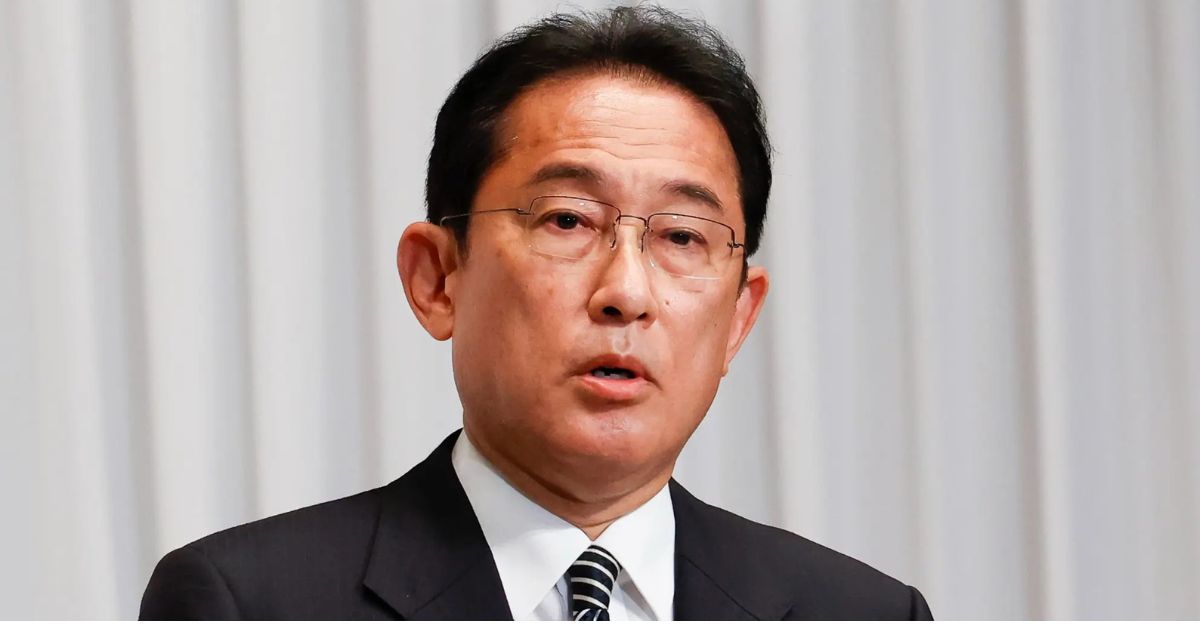
Fumio Kishida’s foreign policy is quickly becoming a defining force in Asia’s shifting geopolitics. As Japan moves toward a more proactive role on the global stage in 2025, Kishida is blending calculated stability with bold strategic partnerships, while placing a renewed focus on Indo-Pacific security.
His diplomatic maneuvers are more than routine policy—they are reshaping Japan’s influence, not just nationally, but across the region. From strengthening alliances with the U.S. and India to navigating complex relations with China, Kishida’s strategy is setting the tone for Asia’s geopolitical balance in the years to come.
This article covers:
- Kishida’s Roadmap: Japan’s Bold Path in a Changing World
- Kishida’s Diplomatic Priorities: Tradition Meets Modern Strategy
- Kishida’s Alliance-Building Strategy: Japan at the Center of the Indo-Pacific
- Japan and China: Kishida’s Delicate Balance of Dialogue and Deterrence
- Kishida’s Economic and Defense Policies: Powering Japan’s Global Influence
- Kishida’s Delicate Balancing Act: Diplomacy Meets National Security
- Kishida’s Impact on Asia: Japan as a Stabilizing Force
- Conclusion: Kishida’s Foreign Policy—Japan’s Strategic Leap Forward
- Key Questions About Fumio Kishida’s Foreign Policy”
Kishida’s Roadmap: Japan’s Bold Path in a Changing World
Fumio Kishida’s foreign policy is far more than a series of statements—it is a strategic roadmap designed to elevate Japan’s influence in a turbulent global landscape. Amid rising geopolitical tensions, economic uncertainty, and shifting regional powers, Kishida is steering Japan toward a proactive, resilient, and responsible global role.
At the heart of his approach is what experts call “pragmatic dialogue diplomacy.” Cooperation remains the priority, but Kishida is unafraid to take decisive action when Japan’s security or national interests are at stake. His strategy is anchored on three core pillars:
- Fortifying Strategic Alliances: Strengthening ties with the U.S., India, Australia, and like-minded democracies.
- Securing Indo-Pacific Stability: Ensuring regional peace and a rules-based order.
- Championing Economic & Technological Leadership: Protecting critical industries, promoting digital innovation, and diversifying international partnerships.
Japan is no longer a quiet observer. Under Kishida, the nation is asserting itself in forums from the G7 to the UN, actively shaping discussions on climate commitments, digital transformation, economic security, and nuclear non-proliferation.
Defense is also central to this strategy. Japan is boosting defense budgets, modernizing its Self-Defense Forces, and deepening cooperation with democratic allies—a proactive stance that ensures peace without vulnerability.
Economic resilience complements security. In an era defined by semiconductors, digital infrastructure, and complex supply chains, Kishida’s policies attract foreign investment, safeguard sensitive technologies, and expand trade partnerships beyond a single dominant partner.
In essence, neutrality is no longer enough. Kishida is guiding Japan to speak with clarity, act with confidence, and contribute meaningfully on the world stage—creating a model of diplomacy that is both modern and strategically responsible.
Kishida’s Diplomatic Priorities: Tradition Meets Modern Strategy
Under Fumio Kishida, Japan’s foreign policy is evolving into a blend of respected tradition and forward-looking adaptability. While long-standing alliances remain vital, Kishida is crafting a multi-layered strategy to address today’s fast-changing geopolitical and economic challenges.
His foreign policy focuses on four strategic priorities:
- Deepening Alliances with the U.S. and Democracies: The U.S. remains Japan’s anchor partner, not just for security, but also for collaboration in climate action, cutting-edge technologies, and coordinated economic policies. This strong foundation enables Japan to act confidently in regional and global matters.
- Strengthening the Indo-Pacific Framework: Kishida continues to expand the Free and Open Indo-Pacific (FOIP) initiative, building stronger ties with India, Australia, Southeast Asia, and Europe. These partnerships aim to maintain a stable, balanced, and rules-based regional order amid rising strategic competition.
- Safeguarding Economic and Technological Interests: Recognizing that economic strength underpins global influence, Japan is securing supply chains, protecting critical technologies, promoting digital cooperation, and boosting energy security. Strategic economic diplomacy ensures Japan remains competitive and resilient.
- Promoting Peace, Stability, and Humanitarian Leadership: Japan is stepping up global engagement in health, disaster relief, and development assistance—reinforcing its image as a peaceful, responsible, and dependable nation.
Kishida’s approach demonstrates a Japan prepared for the next decade—a nation that honors its diplomatic traditions while embracing the flexibility needed to navigate complex global dynamics. The goal is clear: ensure Japan’s stability, influence regional security, and actively contribute to a rapidly evolving world stage.
Kishida’s Alliance-Building Strategy: Japan at the Center of the Indo-Pacific
For Fumio Kishida, strengthening alliances is not just diplomacy—it’s the backbone of Japan’s global strategy. As power dynamics shift across Asia and beyond, Kishida recognizes that Japan’s security and influence hinge on trustworthy, long-term partnerships rooted in shared values and strategic planning.
The United States remains Japan’s cornerstone ally, with collaboration spanning defense modernization, joint military exercises, and coordinated economic and technological security. Together, the two nations address regional tensions, monitor rising military capabilities nearby, and ensure the Indo-Pacific remains open, stable, and rules-based. Key areas of cooperation include:
- Defense modernization & interoperability to strengthen deterrence
- Advanced technologies like AI, semiconductors, and cybersecurity
- Climate action & clean energy partnerships for sustainable growth
- Economic security frameworks to safeguard critical supply chains
Kishida’s vision extends far beyond Washington. The Indo-Pacific network, including India, Australia, and the U.S.—commonly known as the Quad—serves as a platform for infrastructure development, health initiatives, and maritime security, rather than a military alliance.
Southeast Asia is another focus. Kishida views ASEAN as a rising hub of strategic and economic influence. Japan’s approach emphasizes investment, cultural exchange, and digital transformation partnerships, positioning Japan as a consistent and reliable partner in the region.
Even Europe is now part of the Indo-Pacific equation. Kishida has actively pursued deeper ties with the U.K., France, and the EU through joint naval patrols, trade agreements, and technology collaborations, broadening Japan’s global connectivity.
At its core, Kishida’s strategy is simple yet powerful: weave a resilient network of diverse partnerships that enhance Japan’s influence, regional stability, and ability to shape outcomes proactively. Through this approach, Japan is emerging as a central connector in the Indo-Pacific, bridging continents, technologies, and policies to foster a cooperative and stable environment.
Japan and China: Kishida’s Delicate Balance of Dialogue and Deterrence
Japan’s relationship with China is one of the most intricate and high-stakes aspects of Fumio Kishida’s foreign policy. While both nations are tightly linked through trade, investment, and cultural exchange, they also face territorial disputes, strategic competition, and diverging political systems, making the partnership a constant balancing act.
Kishida’s approach is pragmatic and measured—neither confrontational nor passive. He recognizes China as a key economic partner, but remains vigilant against military expansion, regional destabilization, and economic coercion that could threaten Japan or the broader Indo-Pacific.
Primary areas of concern include:
- Territorial tensions around the Senkaku Islands
- Rising military activity near Japanese waters and airspace
- Cybersecurity threats and digital economic pressure
- Regional power shifts impacting trade and supply chains
To address these challenges, Japan has strengthened its national security posture, increasing defense spending, modernizing missile systems, and enhancing intelligence collaboration with allies. Japan is no longer relying solely on diplomacy—it is equipping itself to respond decisively in an unpredictable environment.
At the same time, Kishida keeps communication channels open. Japan and China engage in regular high-level talks covering trade stability, climate cooperation, and regional peace initiatives. For Kishida, dialogue is a tool for tension management, not a sign of weakness.
North Korea also remains a key focus, with Japan coordinating closely with South Korea, the U.S., and other partners to address missile tests and nuclear ambitions through both pressure and diplomacy.
In a broader sense, Kishida is preparing Japan for a new era of security challenges—from cyber threats to supply chain vulnerabilities. His foreign policy reflects a realist philosophy: maintain economic ties where possible, defend national interests when necessary, and engage diplomatically whenever beneficial.
Through this balanced, strategic approach, Japan is navigating one of the world’s most sensitive geopolitical landscapes while maintaining both security and influence.
Kishida’s Economic and Defense Policies: Powering Japan’s Global Influence
Japan’s global presence today is driven as much by economic strength and technological leadership as by diplomacy, and Fumio Kishida understands this clearly. Political statements alone no longer define influence—credible security capabilities, resilient industries, and innovation are equally essential.
On the economic front, Kishida is championing resilience and strategic independence. Japan is reducing reliance on single markets, fortifying critical supply chains, and expanding partnerships with nations that share democratic and technological values. Priority sectors include semiconductors, renewable energy, AI, and digital infrastructure, positioning Japan as a technological powerhouse in the Indo-Pacific and beyond. Initiatives under his “new capitalism” framework balance innovation with inclusivity, fostering growth while safeguarding workers and industries.
Japan’s defense policies have also evolved dramatically. While historically pacifist, Japan now recognizes that modern threats require modern capabilities. Kishida has overseen one of the largest defense budget expansions globally—not for aggression, but for credible deterrence. Key priorities include:
- Missile defense and cyber capabilities to counter emerging threats
- Upgrading Self-Defense Forces with advanced technologies
- Enhancing interoperability with the U.S. and allied militaries
- Developing counterstrike capabilities to ensure a credible deterrent
Economic and defense strategies are mutually reinforcing. A stronger economy supports advanced defense capabilities, while robust security ensures economic stability and investor confidence. Together, they strengthen Japan’s reputation as a proactive, reliable, and strategically minded global player.
Kishida’s approach signals a decisive shift: Japan is not stepping back from world affairs—it is stepping up, combining economic innovation with strategic defense modernization to shape its global role with clarity, confidence, and influence.
Kishida’s Delicate Balancing Act: Diplomacy Meets National Security
Balancing diplomacy with national security is one of the most complex challenges in modern geopolitics, and Fumio Kishida has approached it with measured precision and strategic foresight. Japan occupies a unique position—a peaceful nation navigating a region rife with tensions—and Kishida’s goal is clear: protect national security without sacrificing dialogue, cooperation, or global credibility.
Central to this strategy is what experts call “realistic diplomacy.” Kishida understands that diplomacy alone cannot deter threats, and military might alone cannot foster trust. By combining dialogue with credible defense, Japan maintains stability while projecting confidence in an unpredictable regional environment.
On the security front, Kishida has reinforced Japan’s defenses, including:
- Increased defense spending and modernization of Self-Defense Forces
- Advanced missile defense and cyber capabilities
- Enhanced maritime security
- Deepened intelligence coordination with trusted allies
These measures signal vigilance without provocation, showing that Japan is prepared for emerging threats while adhering to its peaceful principles.
At the same time, Kishida champions diplomacy as a primary tool for long-term stability. Japan actively engages in:
- Regional and global summits
- Bilateral dialogues with neighbors and allies
- Humanitarian assistance, non-proliferation initiatives, and climate cooperation
This approach is particularly evident in Japan’s handling of China and North Korea, maintaining open communication while firmly defending territorial integrity and national interests. Domestically, transparency and public trust are emphasized, ensuring citizens understand the rationale behind key security policies.
Ultimately, Kishida’s strategy is about prevention and preparedness. By merging diplomacy with credible security measures, Japan presents itself as a nation committed to peace yet fully equipped to meet modern challenges, earning respect and strategic influence across the Indo-Pacific.
Kishida’s Impact on Asia: Japan as a Stabilizing Force
Fumio Kishida’s foreign policy is reshaping not only Japan’s trajectory but the entire geopolitical landscape of Asia. Amid rising military tensions, technological rivalries, and global realignments, Japan is no longer a passive observer—it is emerging as a strategic anchor and stabilizing force in the region.
One of the most visible effects is Japan’s growing role in maintaining Indo-Pacific balance. As regional power rivalries intensify, nations seek dependable partners committed to peaceful, rules-based cooperation. Kishida’s focus on alliances, transparency, and democratic values positions Japan as a trusted anchor amid uncertainty.
Key ways Kishida is shaping Asia’s future:
- Strengthening Regional Security: Japan’s upgraded defense posture and closer cooperation with allies help deter aggression and prevent conflict.
- Supporting Economic Stability: Through trade partnerships, investments, and technology exchanges, Japan promotes resilient and interconnected economies across Southeast and South Asia.
- Championing a Rules-Based Order: Kishida advances international norms that protect smaller nations and prevent unilateral power plays, ensuring fairness in regional governance.
- Driving Technological Collaboration: With initiatives in digital infrastructure, clean energy, and innovation, Japan is becoming a central partner in Asia’s modernization and future-ready growth.
Kishida also positions Japan as a diplomatic bridge, maintaining dialogue with major powers—even those with differing interests—while strengthening ties with democratic partners. This balanced approach opens avenues for negotiation, conflict prevention, and cooperative regional initiatives.
Importantly, Kishida signals that Asia’s future will not be dominated by a single power. Middle powers like Japan, South Korea, Australia, and India are now collectively shaping regional stability, economic growth, and technological progress. Japan’s leadership encourages an inclusive, cooperative model for the 21st century.
In essence, Kishida’s foreign policy goes beyond borders. By promoting security, economic resilience, and diplomacy rooted in partnership, Japan is helping build a predictable, balanced, and peaceful future for Asia—one where collaboration and strategic foresight define the region’s path forward.
Conclusion: Kishida’s Foreign Policy—Japan’s Strategic Leap Forward
Fumio Kishida’s foreign policy represents a turning point in Japan’s diplomatic history. In an era defined by geopolitical competition, rapid technological shifts, and fluid alliances, Kishida has positioned Japan as a stable, proactive, and strategically minded leader in the Indo-Pacific. His approach masterfully combines dialogue with readiness, cooperation with firmness, and national priorities with global responsibility.
Through strengthened alliances, defense modernization, and economic resilience, Kishida is guiding Japan into a future where it does more than respond to global changes—it actively shapes them. His leadership demonstrates that diplomacy and strategy can work hand in hand, ensuring national security while promoting peace and stability.
As Japan deepens its regional leadership, Kishida’s policies will continue to influence Asia’s power dynamics, reduce tensions, and promote collaborative growth. More than a foreign policy framework, Kishida’s strategy signals Japan’s ambition to remain a trusted, principled, and influential voice on the world stage, driving an Indo-Pacific era defined by stability, innovation, and strategic foresight.
Key Questions About Fumio Kishida’s Foreign Policy”
What makes Fumio Kishida’s foreign policy distinctive in Asia?
Answer: Kishida’s foreign policy is defined by a blend of strategic foresight and pragmatic diplomacy. Unlike purely reactive approaches, he balances strengthening alliances, enhancing Japan’s defense, and promoting technological and economic leadership—positioning Japan as a proactive stabilizer in the Indo-Pacific.
How does Japan maintain a delicate balance with China under Kishida?
Answer: Japan carefully navigates its relationship with China by combining open dialogue with defensive readiness. While fostering economic and cultural ties, Japan addresses territorial disputes, rising military activity, and cybersecurity threats—ensuring national security without escalating tensions.
Why are alliances central to Japan’s Indo-Pacific strategy?
Answer: Alliances act as the backbone of Japan’s regional influence. Through partnerships with the U.S., India, Australia, ASEAN nations, and Europe, Japan promotes maritime security, economic collaboration, technology exchange, and a rules-based regional order that strengthens stability amid shifting power dynamics.
In what ways is Japan modernizing its defense capabilities?
Answer: Japan is upgrading its defense through increased spending, advanced missile and cyber systems, enhanced Self-Defense Forces, and deeper interoperability with allies. These measures are designed to provide credible deterrence while maintaining Japan’s commitment to peaceful diplomacy.
How is Kishida shaping Asia’s broader geopolitical landscape?
Answer: By combining strategic alliances, economic resilience, and diplomatic engagement, Kishida positions Japan as a stabilizing force in Asia. His policies foster cooperative security, promote technological innovation, and encourage a rules-based Indo-Pacific where middle powers collectively guide regional growth and stability.
High-Trust Sources for Kishida’s Foreign Policy & Japan’s Strategy
- Free and Open Indo‑Pacific — Ministry of Foreign Affairs of Japan
An official overview of Japan’s FOIP vision and Kishida’s detailed policy speech on the Indo‑Pacific strategy. - Policy Speech by Prime Minister Kishida on FOIP (JapanGov)
Full text of Prime Minister Kishida’s policy speech elaborating Japan’s Free and Open Indo‑Pacific plan, pillars of cooperation, and diplomatic priorities. - How Fumio Kishida Shaped Japan’s Foreign Policy — United States Institute of Peace
Analysis by USIP explaining how Kishida’s strategy emphasizes defense modernization, alliance strengthening, and regional stability.