10 Micro Habits for Better Sleep and a Healthier You
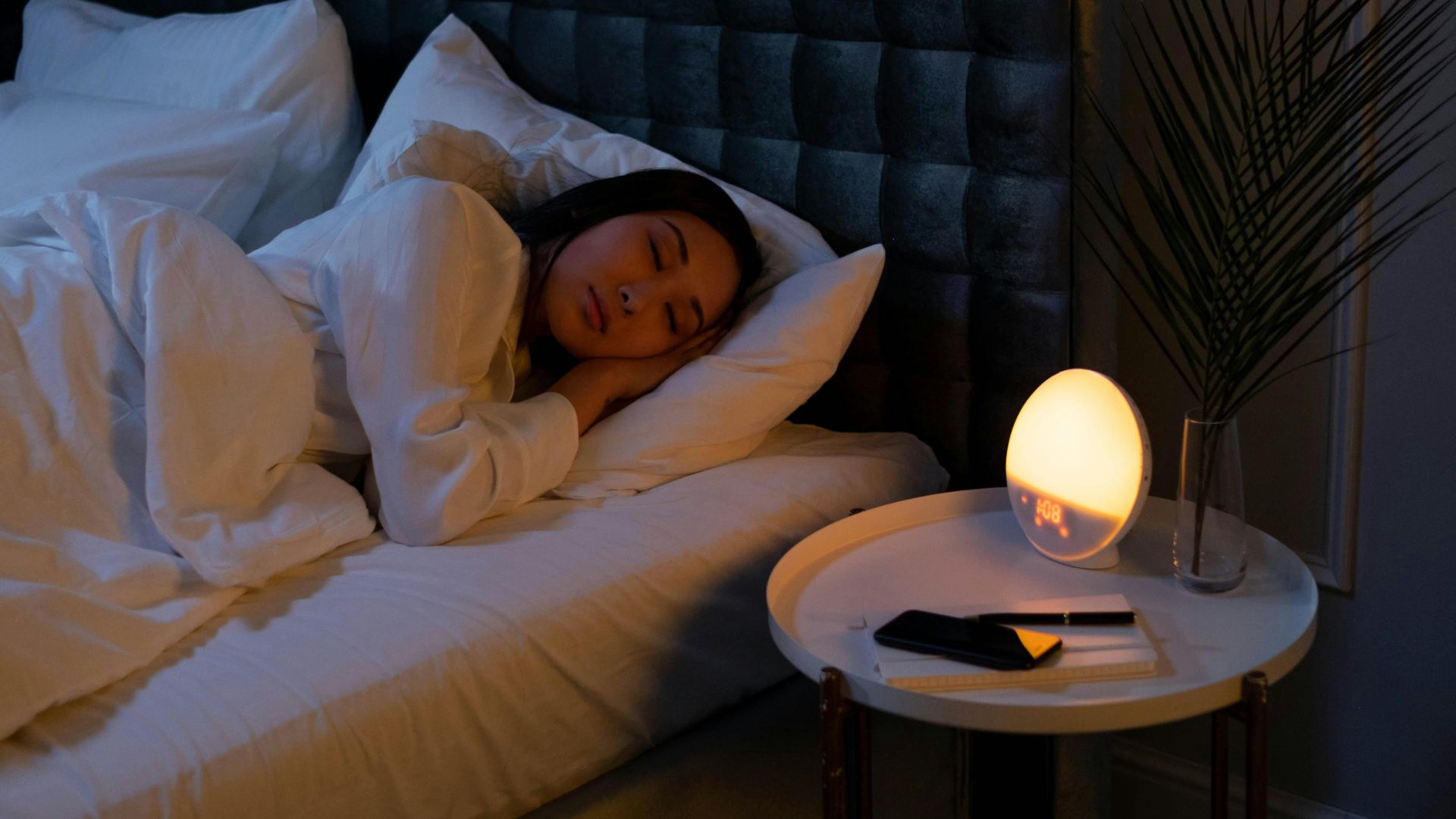
Getting healthier doesn’t always require big changes—sometimes the smallest steps make the biggest difference. That’s exactly why micro habits for better sleep are becoming so popular. These tiny, easy-to-follow actions fit naturally into your day yet create a powerful impact on how quickly you fall asleep, how deeply you rest, and how refreshed you feel in the morning. Whether you’re dealing with stress, screen overload, or irregular routines, these micro habits can gently reset your nights and improve your overall well-being—one small step at a time. 😴✨
In This Article
- What Are Micro Habits and Why They Matter
- How Micro Habits Improve Sleep & Overall Health
- Micro Habit #1: A 60-Second Evening Stretch
- Micro Habit #2: Drink a Glass of Water Before Bed
- Micro Habit #3: Reduce Screen Brightness 30 Minutes Before Sleep
- Micro Habit #4: Write One Calm Thought in a Journal
- Micro Habit #5: Keep Your Bedroom Temperature Slightly Cooler
- Micro Habit #6: Try a 2-Minute Deep Breathing Routine
- Micro Habit #7: Get Sunlight for 5 Minutes in the Morning
- Micro Habit #8: Avoid Heavy Snacks After 8 PM
- Micro Habit #9: Maintain a Consistent Sleep Time
- Micro Habit #10: Keep Your Phone Away From Bed
- Conclusion
🌱 What Are Micro Habits and Why They Matter
Micro habits are tiny actions that take less than a minute but create big changes over time. Unlike big lifestyle changes—like going to the gym for an hour or quitting sugar—micro habits are small enough to fit into any routine without pressure. Their power lies in consistency, not size.
Why do they matter for sleep and health?
Because your brain responds better to small, repeatable actions than big, difficult ones. Micro habits lower stress, build rhythm in your day, and send gentle signals to your body to relax. Over time, these tiny steps stack up, improving your sleep, mood, and energy in a natural way.
Most importantly, micro habits don’t feel like “tasks.” They feel like simple, effortless adjustments that you can keep for life. And that’s why they work.
😴 How Micro Habits Improve Sleep & Overall Health
Good sleep isn’t about one big solution—it’s about a collection of small choices your body makes throughout the day. Micro habits help create the right mental and physical environment for restful sleep.
Here’s how they work:
- They calm your nervous system, reducing stress hormones
- They train your brain to recognize when it’s time to rest
- They balance your sleep-wake cycle, improving deep sleep
- They reduce overstimulation, especially from screens
- They keep your routine consistent, which is key for healthy sleep
Even a tiny action—like dimming lights or breathing slowly—can start shifting your body into “rest mode.” Micro habits also improve your health by stabilizing mood, increasing hydration, reducing inflammation, and supporting better metabolism.
You don’t need 20 new habits. Just a few tiny ones practiced daily can reshape how your body sleeps and how your mind feels every morning.
🧘 Micro Habit #1: A 60-Second Evening Stretch
A one-minute stretch may seem too simple, but it can make a big difference. After an entire day of sitting, walking, thinking, and scrolling, your muscles hold tension—especially around the shoulders, neck, and lower back. This tension makes it harder for your body to relax at bedtime.
A 60-second stretch loosens tight muscles and sends a calming message to your nervous system:
“It’s safe to relax now.”
You can try any easy stretch:
- Neck rotations
- Shoulder rolls
- Gentle forward bend
- Cat–cow pose
- Hamstring stretch on the bed
Benefits of this micro habit:
✔ Releases physical tension
✔ Slows your breathing
✔ Reduces restlessness
✔ Helps you fall asleep faster
It’s just one minute, but the impact on your sleep is surprisingly deep.
💧 Micro Habit #2: Drink a Glass of Water Before Bed
Hydration plays a bigger role in sleep than most people realize. When your body is even slightly dehydrated, your heart rate increases, your mouth feels dry, and your mind becomes restless — all of which make it harder to fall asleep and stay asleep.
Drinking just one glass of water before bed is a simple micro habit that balances your body and refreshes your internal systems.
But here’s the trick:
It should be a small glass, not too much, so you don’t disrupt sleep with bathroom breaks.
Why this micro habit works:
- Prevents overnight dehydration
- Supports smoother breathing
- Helps your muscles relax
- Keeps your heart rate steady
- Reduces dry throat or nasal irritation
You can also make it more soothing by taking small sips and pairing the moment with deep breathing. It becomes a quiet signal to your body that the day is ending and rest is beginning.
📱 Micro Habit #3: Reduce Screen Brightness 30 Minutes Before Sleep
Most people think screen time is the problem, but the bigger issue is screen brightness. Bright light tells your brain that it’s still daytime. This stops melatonin — your natural sleep hormone — from doing its job.
You don’t need to stop using your phone completely. Simply lowering your screen brightness is enough to help your brain shift toward night mode.
Do any of these small adjustments:
- Reduce brightness to the lowest comfortable level
- Turn on “Night Mode” or “Blue Light Filter”
- Keep the phone at a distance instead of close to your eyes
- Avoid rapidly moving content (reels, gaming, intense videos)
How this helps:
✔ Your brain relaxes faster
✔ Eyestrain reduces
✔ Sleep hormones activate earlier
✔ You avoid mental overstimulation
This tiny habit only takes a second, but it helps you wind down without the sudden jolt of bright screens interrupting your sleep cycle.
✍️ Micro Habit #4: Write One Calm Thought in a Journal
A restless mind is one of the biggest enemies of good sleep. Many people lie awake thinking about tomorrow’s tasks, past mistakes, or unfinished responsibilities. The brain keeps spinning even though the body is ready to rest.
Writing just one calm thought before bed is a beautiful micro habit that slows down mental noise.
It could be anything like:
- “Today I handled things well.”
- “I am grateful for a quiet night.”
- “Tomorrow will be manageable.”
- “I choose peace tonight.”
You don’t need a long journal entry — one line is enough.
Why this habit works:
- It shifts your mind from stress to calm
- Helps your thoughts settle before sleep
- Lowers anxiety and overthinking
- Creates a peaceful mental space
- Acts like a small emotional release
This micro habit becomes more effective with consistency. Over time, your brain learns that nighttime is associated with softness, reflection, and ease — not stress.
❄️ Micro Habit #5: Keep Your Bedroom Temperature Slightly Cooler
A slightly cooler room is one of the easiest ways to improve your sleep quality. When your body prepares for sleep, your internal temperature naturally drops. If your room is too warm, your body has to work harder to cool down — and that makes it harder to fall asleep.
A small temperature adjustment of 1–2 degrees can create a smoother transition into deep rest.
Why this micro habit helps:
- Encourages your body to release melatonin
- Reduces tossing and turning
- Supports deeper, more restful sleep
- Prevents overheating and night sweats
- Creates a cozy sleep environment
Simple ways to cool your bedroom:
- Lower the fan speed or angle it differently
- Open a window for fresh air
- Use lightweight blankets
- Turn off unnecessary lights and heat sources
You don’t need a cold room — just a slightly cooler, fresh-feeling space. This tiny shift has a surprisingly big impact on sleep quality.
🌬️ Micro Habit #6: Try a 2-Minute Deep Breathing Routine
A calm breath leads to a calm mind. Deep breathing is one of the quickest ways to bring your nervous system into a relaxed state because it sends a direct signal to your brain that everything is safe.
Just two minutes of slow breathing can lower your heart rate, release tension, and make your mind quiet enough for sleep.
Try this simple method:
🌿 4-4-6 Breathing
- Inhale for 4 seconds
- Hold gently for 4 seconds
- Exhale slowly for 6 seconds
Repeat this for two minutes.
Benefits you’ll notice:
✔ Your shoulders relax
✔ Your heartbeat slows down
✔ Your thoughts become lighter
✔ Anxiety reduces
✔ Sleepiness comes naturally
This micro habit is especially helpful for people who struggle with overthinking or restlessness at night. It’s like giving your mind a soft landing before sleep.
☀️ Micro Habit #7: Get Sunlight for 5 Minutes in the Morning
This habit happens during the day, but it powerfully shapes your sleep at night. Morning sunlight helps regulate your circadian rhythm — your body’s internal clock — telling your brain when to wake up and when to sleep.
Just five minutes of sunlight exposure (through a window or outdoors) can reset this internal clock and make your nights naturally sleepier.
You don’t need full sun. Even soft morning light works.
How this micro habit helps:
- Balances your sleep-wake cycle
- Helps melatonin release at night
- Boosts morning alertness
- Stabilizes mood and energy
- Reduces late-night restlessness
Simple ways to practice:
- Stand near a sunny window after waking up
- Sit on your balcony for a few minutes
- Walk outside for a short moment
- Open your curtains as soon as you rise
This tiny sunrise ritual tells your body, “It’s time to start the day,” so that by night, your body naturally says, “It’s time to rest.”
🍽️ Micro Habit #8: Avoid Heavy Snacks After 8 PM
Your body works best when it knows your eating schedule. Late-night snacks force your system to keep digesting when it should be slowing down for sleep. This leads to discomfort, bloating, acidity, and a restless night.
Avoiding heavy food after 8 PM is a tiny habit that gives your stomach enough time to calm down.
Why this helps your sleep:
- Digestion slows at night — lighter stomach = deeper sleep
- Prevents bloating and acid reflux
- Helps regulate blood sugar levels
- Reduces midnight awakenings
- Supports weight management naturally
If you feel hungry at night, choose light options:
- A few almonds
- A banana
- A cup of warm milk
- A handful of berries
This small rule trains your body to rest, not digest, when it’s bedtime.
⏰ Micro Habit #9: Maintain a Consistent Sleep Time
Consistency is more powerful than people think. Going to bed at the same time every night teaches your body to prepare automatically for sleep. When your sleep schedule jumps around, your brain struggles to understand when to “shut down.”
You don’t have to be perfect — even staying within a 30-minute window makes a big difference.
Benefits of this tiny habit:
✔ Faster sleep onset
✔ More stable sleep cycles
✔ Better deep sleep
✔ Better morning energy
✔ Less brain fog
To build this micro habit:
- Pick a realistic bedtime
- Set a gentle alarm reminder
- Slow down your activities 20 minutes earlier
- Reduce late-night stimulants (phones, caffeine, noise)
Over time, your body will naturally start feeling sleepy at the same hour — no effort needed.
📵 Micro Habit #10: Keep Your Phone Away From Bed
Out of all habits, this one has the biggest impact on both mental peace and sleep quality. Keeping your phone next to your pillow tempts you to check messages, scroll social media, or simply stay “alert.” Even if you don’t touch it, knowing it’s nearby keeps your brain half-active.
Placing your phone just a few feet away — on a table, shelf, or charging spot — creates a natural boundary between you and digital distractions.
Why this habit improves sleep:
- Reduces blue-light exposure
- Prevents endless scrolling
- Stops sudden notifications
- Helps your mind fully disconnect
- Encourages deeper, uninterrupted rest
Small changes you can try:
- Charge your phone away from the bed
- Use “Do Not Disturb” mode
- Keep a small alarm clock instead of your phone
- Replace late scrolling with reading or breathing
This micro habit feels uncomfortable at first…
but within a week, you’ll feel calmer, more rested, and more present during nighttime.
📝 Conclusion
Better sleep doesn’t always come from big lifestyle changes. Most of the time, it comes from small actions repeated with consistency. That’s the magic of micro habits. They’re easy, simple, and so tiny that your mind never feels stressed about following them.
Whether it’s lowering screen brightness, doing a 60-second stretch, or sipping a small glass of water before bed — each micro habit gently guides your body into a calm, relaxed state. And when these small actions stack together, they create a powerful routine that supports your sleep, boosts your energy, and makes your days feel lighter and healthier.
You don’t need to try all 10 at once. Start with two or three, practice them daily, and let the benefits unfold naturally. Over time, these micro habits will become effortless, forming a nightly rhythm your body looks forward to.
Remember — good sleep isn’t luck. It’s a collection of simple choices you make every day. And with micro habits, those choices become easy, enjoyable, and sustainable. 🌙✨
If you’re working on improving your overall well-being alongside better sleep, don’t miss our complete Health & Wellness Guide. It covers habits, fitness, mental health, and nutrition—all in one easy resource.
💡 Things People Often Ask About Micro Habits & Sleep
Q1. Do micro habits really improve sleep?
Yes. Micro habits help calm your mind, relax your body, lower stress, and support your natural sleep-wake cycle. Even tiny actions done consistently can make a big difference in sleep quality.
Q2. How long does it take for micro habits to work?
Most people notice improvement within 3–7 days, especially with habits like reducing screen brightness, stretching, or deep breathing. Long-term results appear with consistency.
Q3. Can I do just one or two micro habits?
Absolutely. Even a single micro habit — like turning off your phone early — can help. You can slowly add more as the routine becomes comfortable.
Q4. What if I forget to follow the habits?
No problem. Micro habits are flexible. If you miss one day, just begin again the next night. There’s no guilt, pressure, or strict rules.
Q5. Are these habits safe for everyone?
Yes. They are simple, natural actions that support relaxation and good sleep. If you have a medical condition, follow your doctor’s guidance for sleep improvement.
Q6. Do I need special tools or products?
No. All these micro habits are natural, free, and easy to apply. No equipment, apps, or expensive routines are required.
Q7. Can micro habits improve overall health too?
Definitely. Better sleep leads to better immunity, mood, focus, creativity, and emotional balance. Micro habits support your mind and body throughout the day, not just at night.