Why Silence in Movies Feels More Powerful Than Words
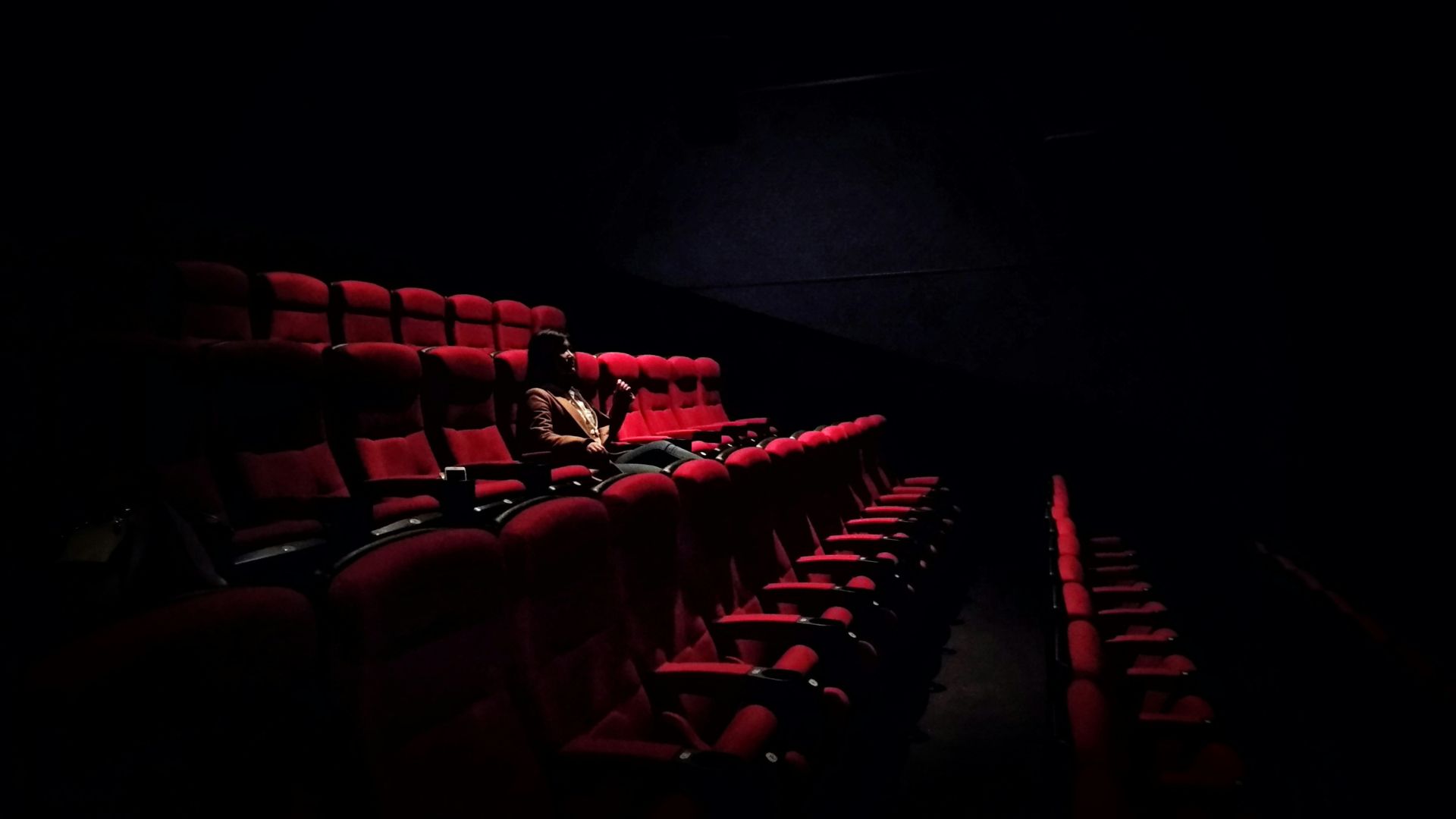
In a world filled with constant noise—notifications, conversations, background music—silence feels uncomfortable. Yet, when silence appears in movies, it often becomes the most unforgettable moment of the entire story.
Some of the strongest emotions in cinema are not spoken. They are felt. A lingering gaze, a quiet tear, an empty room—no dialogue, no background score, just silence. Why does this work so well? And why do these moments stay with us long after the credits roll?
Let’s explore the hidden power of silence in movies and why filmmakers intentionally use it as one of their strongest storytelling tools.
Inside This Story
- Silence Is Not Empty — It’s Emotional Space
- The Psychology Behind Silent Movie Moments
- Why Emotional Scenes Without Dialogue Feel Stronger
- When Silence Replaces Background Music
- Silence as a Universal Language in Cinema
- Why Modern Films and OTT Shows Use More Silence
- When Silence Doesn’t Work in Movies
- Silence vs Dialogue: Which Is More Powerful?
- Frequently Asked Questions About Silence in Movies
- Key Takeaways
- Final Thoughts: Silence Is Cinema’s Loudest Voice
Silence Is Not Empty — It’s Emotional Space
Silence in cinema does not mean “nothing is happening.” In fact, it often means everything is happening internally.
When dialogue stops, the audience is forced to:
- Observe facial expressions
- Read body language
- Feel emotions rather than hear them explained
Silence creates emotional space, allowing viewers to project their own feelings into the scene. Instead of being told what to feel, we experience it personally.
That’s why silent moments often feel more intimate and real than long speeches.
The Psychology Behind Silent Movie Moments
From a psychological perspective, silence triggers the brain differently than sound.
When sound disappears:
- The brain becomes more alert
- Emotional sensitivity increases
- Viewers subconsciously lean in
This heightened attention makes silent scenes more memorable. Our minds fill the silence with thoughts, fears, or emotions—making the experience deeply personal.
This is also why uncomfortable silences in movies feel very real. They mirror real-life emotional pauses we all experience.
Why Emotional Scenes Without Dialogue Feel Stronger
Think about grief, heartbreak, or deep love. In real life, people often don’t speak much during these moments. Movies that reflect this truth feel more authentic.
Silent emotional scenes:
- Avoid over-explaining feelings
- Respect the intelligence of the audience
- Feel honest instead of dramatic
A character silently sitting alone after a loss often feels more powerful than a dramatic monologue. Silence allows emotions to breathe.
When Silence Replaces Background Music
Background music is a powerful emotional guide—but removing it can be even more impactful.
When filmmakers cut both dialogue and music:
- The moment feels raw and unfiltered
- There’s no emotional “instruction”
- Reality feels closer
This technique is often used during:
- Sudden shock or realization
- Final moments of a character
- Emotional turning points
The absence of sound forces viewers to confront the moment directly—without comfort.
Silence as a Universal Language in Cinema
One major strength of silence is that it crosses language barriers.
A silent scene can be understood by anyone, anywhere in the world. This is why:
- International films rely heavily on visual storytelling
- Silent moments travel better than dialogue-heavy scenes
- Emotions feel universal, not cultural
Silence connects audiences globally, making cinema a truly shared human experience.
Why Modern Films and OTT Shows Use More Silence
In recent years, especially with OTT platforms and indie films, silence has become more prominent.
Reasons include:
- Viewers prefer realism over exaggerated drama
- Minimalist storytelling feels more mature
- Audiences are emotionally smarter now
Modern entertainment trusts viewers to understand without explanation. Silence reflects confidence in storytelling.
🎓 Cinema Insight
Film theorists often describe silence as “negative space for emotion.”
Instead of adding meaning, silence removes distraction—allowing audiences to emotionally participate in the story rather than observe it.
🎬 A Detail Viewers Often Miss
Silence in movies doesn’t only remove sound—it changes how we notice time. Scenes often feel longer, heavier, and more intimate during silence, even when their actual duration stays the same. This subtle time distortion makes emotions linger, which is why silent moments are remembered more clearly than fast-paced dialogue scenes.
When Silence Doesn’t Work in Movies
Silence is powerful—but only when used intentionally.
It fails when:
- The scene lacks emotional depth
- The pause feels accidental, not meaningful
- There’s no visual storytelling support
Effective cinematic silence requires:
- Strong acting
- Clear emotional context
- Purposeful pacing
Without these, silence can feel empty rather than impactful.
Silence vs Dialogue: Which Is More Powerful?
Dialogue explains.
Silence reveals.
Words tell the story, but silence lets us feel it.
The most unforgettable movie moments often come from what characters don’t say. Silence respects the audience’s emotions and intelligence—something great cinema always strives for.
Frequently Asked Questions About Silence in Movies
❓Why do filmmakers use silence instead of dialogue?
Filmmakers use silence to let emotions emerge naturally. Silence removes guidance and allows viewers to interpret feelings on their own, making scenes more personal and memorable.
❓Is silence more powerful than dialogue in movies?
Silence is not stronger than dialogue in every scene, but in emotional or psychological moments, silence often creates deeper impact by reflecting real human behavior.
❓Why do silent scenes feel uncomfortable sometimes?
Silence increases awareness. When sound disappears, viewers become more emotionally alert, which can feel uncomfortable—especially during tense or vulnerable moments.
❓Do silent scenes work better in theaters or at home?
Silent scenes are often more effective in theaters due to controlled sound and focus, but OTT platforms with headphones also enhance their emotional intensity.
❓Can silence be overused in films?
Yes. Without strong acting or visual storytelling, silence can feel empty. Effective silence must serve a clear emotional purpose.
Key Takeaways
- Silence in movies is a storytelling tool, not absence
- Emotional scenes feel stronger without verbal explanation
- Silence triggers deeper psychological engagement
- Modern cinema trusts audiences more than ever
- The most memorable moments are often wordless
Final Thoughts: Silence Is Cinema’s Loudest Voice
In entertainment, louder doesn’t always mean stronger. Sometimes, the quietest moments leave the deepest impact.
Silence in movies:
- Builds emotional intimacy
- Creates realism
- Makes stories unforgettable
The next time a movie goes quiet, don’t wait for the dialogue to return. That silence might be telling you everything.
💬 What Do You Think?
Have you ever felt more emotion during a silent movie scene than a dramatic speech?
Share your thoughts in the comments.