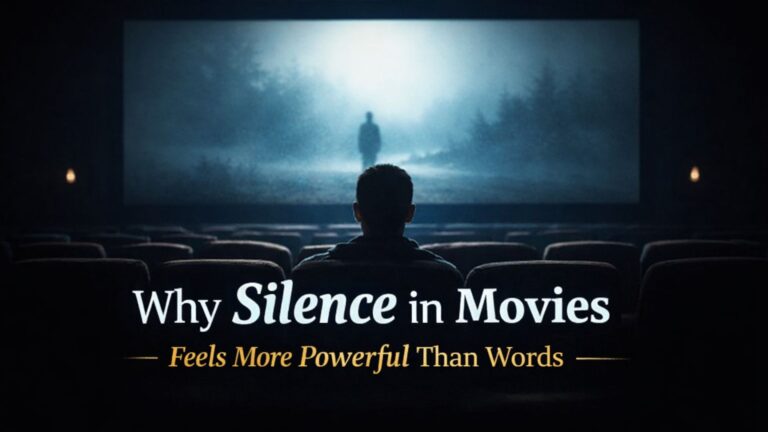
Why Modern Movies Feel Emotionally Exhausting to Audiences

There’s a strange feeling many people have after watching a movie today.
It’s not boredom. It’s not confusion.
It’s emotional tiredness.
Viewers don’t always say, “That film was bad.”
More often, they say, “I need something lighter,” or “That was a lot.”
This quiet reaction points to a deeper shift in modern entertainment. Movies are no longer just stories we watch — they’ve become emotional experiences that often demand more from us than we have to give. Understanding why modern movies feel emotionally exhausting reveals not a failure of cinema, but a reflection of the world audiences now live in.
Inside This Story
- Emotional Exhaustion Is Not the Same as Being Moved
- The Streaming Era Changed Storytelling More Than We Admit
- Why Everything Feels Heavy Now
- The Disappearance of Emotional Breathing Space
- Audience Psychology Has Changed Too
- Why “Important” Movies Often Feel Less Enjoyable
- Emotional Fatigue vs Artistic Depth
- What This Trend Says About Our Time
- Will Movies Become Lighter Again?
- Frequently Asked Questions
Emotional Exhaustion Is Not the Same as Being Moved
Cinema has always explored pain, conflict, and darkness. That isn’t new.
What is new is how relentlessly intense many modern films feel.
Being emotionally moved is energizing.
Emotional exhaustion is draining.
Older films often balanced tension with relief — silence, humor, rhythm, or moments of ordinary humanity. Today, many movies stay locked in high emotional gear from beginning to end. Trauma is constant. Stakes are always extreme. Characters rarely get to breathe, and neither does the audience.
Depth has quietly been replaced by emotional pressure.
The Streaming Era Changed Storytelling More Than We Admit
Streaming platforms didn’t just change how movies are distributed — they reshaped how stories are written.
Algorithms reward:
- High engagement
- Strong reactions
- Immediate emotional hooks
As a result, filmmakers are pushed toward narratives that are:
- Darker
- Louder
- More psychologically intense
- Constantly “important”
Subtlety doesn’t trend well.
Quiet reflection doesn’t boost watch time.
When every movie competes for attention in an endless content stream, emotional intensity becomes a survival tactic — even when it overwhelms the viewer.
Why Everything Feels Heavy Now
Many modern films seem afraid of being “just entertaining.”
Stories are expected to:
- Address social collapse
- Explore generational trauma
- Confront identity, morality, and apocalypse
- Carry symbolic weight
None of this is wrong. But when every story carries the burden of meaning, audiences begin to feel emotionally overworked.
Entertainment used to offer contrast to life.
Now, it often mirrors life’s anxiety so closely that watching becomes work.
The Disappearance of Emotional Breathing Space
One of the biggest differences between older and modern cinema isn’t technology — it’s pacing.
Films once allowed:
- Long pauses
- Ordinary conversations
- Neutral moments with no message
These moments weren’t filler. They were emotional rest.
Today, silence often exists only to build dread. Music constantly signals importance. Scenes rarely exist without narrative urgency. This creates a continuous emotional demand, leaving viewers mentally tired before the film even ends.
Your earlier article on silence in movies touches this perfectly — silence used to be space. Now it’s often tension.
Audience Psychology Has Changed Too
It’s easy to blame filmmakers, but audiences are changing as well.
Modern viewers are:
- Emotionally overstimulated
- Constantly online
- Carrying background stress from real life
- Consuming more content than ever before
In this context, heavy movies don’t land the same way they once did.
People aren’t less intelligent or less patient — they’re already emotionally saturated.
This explains why:
- Comfort shows dominate streaming charts
- Familiar movies are rewatched endlessly
- Viewers abandon intense films halfway through
Exhaustion isn’t rejection. It’s self-preservation.
Why “Important” Movies Often Feel Less Enjoyable
There’s an unspoken rule in modern cinema:
Serious equals meaningful.
This creates a problem.
When movies equate seriousness with constant suffering, they narrow what storytelling can be. Joy becomes shallow. Lightness feels irresponsible. Humor is allowed only as irony.
Audiences sense this pressure — that they’re supposed to endure a film rather than experience it. Over time, that expectation turns entertainment into obligation.
Emotional Fatigue vs Artistic Depth
Some of the greatest films ever made were emotionally heavy — but they weren’t exhausting.
What’s missing today isn’t darkness; it’s contrast.
Depth comes from:
- Emotional variation
- Human unpredictability
- Space for interpretation
Exhaustion comes from:
- Relentless intensity
- Emotional instruction
- Lack of release
When movies stop trusting audiences to feel on their own, fatigue sets in.
What This Trend Says About Our Time
Entertainment doesn’t exist in isolation. It reflects the emotional climate of its era.
Today’s cinema mirrors:
- Anxiety without resolution
- Urgency without rest
- Awareness without clarity
Movies feel emotionally exhausting because many people feel emotionally exhausted. Art hasn’t failed — it’s holding up a mirror that’s hard to look into.
Will Movies Become Lighter Again?
Possibly — but not through trends or nostalgia.
Audiences are already signaling change through behavior:
- Rewatching older films
- Choosing slower stories
- Valuing restraint over spectacle
The future of cinema may not be louder or darker — but quieter, more intentional, and emotionally balanced.
Sometimes, what feels revolutionary isn’t intensity.
It’s restraint.
Frequently Asked Questions
❓Why do modern movies feel so depressing?
Many modern movies emphasize emotional weight and social relevance, often at the expense of relief or balance. This can make films feel heavier than necessary.
❓Is emotional exhaustion in movies a bad thing?
Not always. Emotional intensity can be powerful. It becomes a problem only when intensity is constant and leaves no room for rest or reflection.
❓Why do people prefer comfort shows now?
Comfort shows offer familiarity, predictability, and emotional safety — things many viewers lack in daily life and increasingly seek from entertainment.
❓Has streaming made movies worse?
Streaming hasn’t made movies worse, but it has changed incentives. Stories now compete for attention, often leading to louder, heavier emotional storytelling.
❓Will cinema change direction?
Audience behavior suggests a growing appreciation for subtlety, quiet storytelling, and emotional balance — which may influence future films.
Final Thought
Movies aren’t failing audiences.
Audiences are asking for less emotional pressure and more human truth.
In a world that rarely slows down, the most radical thing a story can do is let us breathe.