Ajay Banga at World Bank: Leadership, Reforms & Global Impact
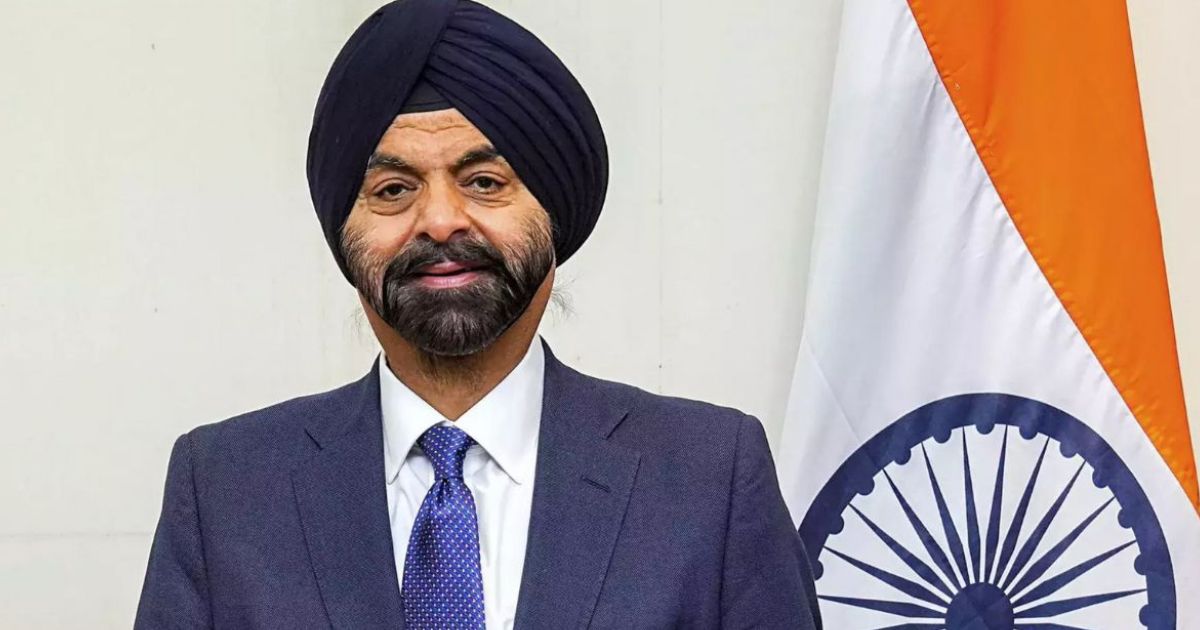
Why Ajay Banga Matters Now (Not Just Who He Is)
The appointment of Ajay Banga as President of the World Bank in 2023 was not symbolic—it was corrective.
For decades, the World Bank struggled with a familiar criticism: too slow, too procedural, and too detached from market realities. Banga entered at a moment when development finance could no longer afford incrementalism. Climate shocks, debt stress, and post‑pandemic inequality demanded execution speed, not just policy papers.
What makes Banga different is not his résumé—it’s the operating logic he brings from the private sector into one of the world’s most bureaucratic institutions.
This article does not repeat his biography. Instead, it answers a sharper question:
What actually changes at the World Bank when a global payments CEO takes charge?
In this article…
- The Banga Framework: Four Shifts Redefining the World Bank
- Where Ajay Banga Breaks from Traditional Development Leadership
- The Risks No One Talks About in Banga’s Reform Agenda
- Why Ajay Banga’s Mastercard Experience Actually Matters
- FAQs: What People Are Really Asking About Ajay Banga
- The Bigger Picture: What Ajay Banga Represents
The Banga Framework: 4 Shifts Redefining the World Bank
Rather than slogans, Banga’s leadership can be understood through four strategic shifts that separate him from traditional development heads.
1️⃣ From Aid‑First to Capital‑First Thinking
Previous World Bank leadership largely focused on sovereign lending and aid mechanisms. Banga is reframing development as a capital‑mobilization problem.
At Mastercard, scale came from partnerships—not ownership. At the World Bank, this translates into:
- Mobilizing private capital alongside public funds
- Treating aid as a catalyst, not the main engine
- Reducing dependency on government-only financing
This approach is controversial—but pragmatic. Global development needs trillions. Governments alone cannot provide it.
What’s new: The World Bank is no longer positioning itself only as a lender, but as a deal architect.
2️⃣ Speed Over Process (A Quiet Revolution)
Inside the World Bank, project approvals have historically taken years. Banga has openly questioned this pace.
His push is not ideological—it’s operational:
- Faster approvals for climate and infrastructure projects
- Leaner internal reviews
- Clear accountability for delays
This mirrors his Mastercard playbook, where time‑to‑market was strategy.
“If capital moves faster than institutions, institutions become irrelevant.” — a principle reflected in his early reforms.
This is one of the most significant internal cultural shifts the Bank has seen in decades.
3️⃣ Climate as an Economic Risk, Not a Moral Debate
Banga avoids climate rhetoric rooted purely in ethics. Instead, he frames climate change as:
- A balance‑sheet risk
- A growth constraint
- A future debt amplifier
This reframing matters.
By positioning climate resilience as economic self‑interest, he has made it easier for developing nations to align with green investments without appearing to compromise growth.
Result: Climate finance becomes scalable, not symbolic.
4️⃣ Digital Infrastructure as the Missing Layer of Development
Banga’s payments background shows clearly in one area: digital public infrastructure.
Under his leadership, the World Bank is increasingly focused on:
- Digital identity systems
- Payment rails for welfare delivery
- Data transparency for project monitoring
This isn’t tech enthusiasm—it’s governance logic.
Countries that can’t identify citizens or move money securely cannot scale education, healthcare, or subsidies.
Where Banga Breaks from Traditional Development Leadership
The shift under Ajay Banga is not philosophical—it is structural and operational.
| Traditional Model | Banga’s Model |
|---|---|
| Aid‑driven | Capital‑mobilized |
| Procedure‑heavy | Execution‑focused |
| Public‑sector only | Public + Private |
| Climate as obligation | Climate as economic risk |
This contrast explains why his appointment drew both praise and skepticism.
The Risks No One Talks About
A non‑generic analysis must include friction.
⚠️ Risk 1: Over‑reliance on Private Capital
Private capital demands returns. Development demands patience. Aligning the two is difficult—and failures could increase inequality if not carefully structured.
⚠️ Risk 2: Cultural Resistance Inside the World Bank
Large institutions resist speed. Internal pushback could dilute reforms over time.
⚠️ Risk 3: Market Logic vs Social Outcomes
What scales well commercially does not always serve the poorest communities.
Banga’s challenge is not vision—it’s balance.
Why His Mastercard Experience Actually Matters
At Mastercard, Banga led the shift from a card company to a data‑driven payments platform.
Key lessons he brings:
- Networks scale faster than institutions
- Inclusion is sustainable only when profitable
- Trust infrastructure matters more than products
This explains why his World Bank strategy prioritizes systems, not schemes.
FAQs: What People Are Really Asking About Ajay Banga
❓ Is Ajay Banga the first Indian‑origin World Bank President?
Yes. He is also the first leader from a pure private‑sector background.
❓ Will the World Bank become more corporate under him?
Not corporate—but commercially aware. The goal is leverage, not profit.
❓ How is his leadership different from past presidents?
Past leaders focused on policy alignment. Banga focuses on delivery velocity.
❓ Is this good for developing countries?
Potentially yes—if safeguards ensure that speed and capital do not override equity.
The Bigger Picture: What Ajay Banga Represents
Ajay Banga’s rise is not just personal—it signals a shift in how the world thinks about leadership.
The 21st century does not reward institutions that move slowly, speak cautiously, and avoid risk. It rewards those that execute with accountability.
Whether Banga ultimately succeeds will depend on one question:
Can a market‑tested mindset fix a mission‑driven institution without losing its soul?
The answer will define not just his legacy—but the future of global development itself.
Author’s Note
This article is intentionally analytical—not biographical. The goal is to explain why Ajay Banga’s leadership model matters now, not to restate his résumé.