Foods That Help You Sleep: Natural Remedies for Restful Nights

If you’ve ever wondered whether what you eat at night could be the reason you toss and turn, you’re right — it plays a bigger role than most people realize. Some of the best foods that help you sleep naturally support melatonin and magnesium levels, relax tense muscles, and calm an overactive mind. Here’s something most people don’t realize: many of us invest in better pillows, mattresses, and sleep apps — yet the biggest sleep-changer might actually be something simple — what you eat in the evening. In this guide, we’re not just listing foods. We’ll explain why almonds, tart cherries, warm milk, herbal teas, and other bedtime snacks work — and how to use them properly so you wake up refreshed instead of restless.
What makes this guide different is simple: instead of repeating the same generic food lists, we break down why each food works, how to use it correctly, and common mistakes that secretly sabotage sleep.
In this article:
- Why Sleep Matters for Your Health
- How Food Affects Your Sleep
- Top Foods That Help You Sleep Naturally
- Foods to Avoid Before Bedtime
- Tips for Creating a Sleep-Friendly Diet
- Other Natural Ways to Improve Sleep
- Common Questions About Foods That Help You Sleep
- Conclusion: Nourish Your Body, Rest Your Mind
1. Why Sleep Matters for Your Health
Sleep isn’t just a time to rest—it’s a critical part of your body’s daily maintenance system. 🛌 Think of it as a nightly tune-up for your brain, heart, and entire body. Skipping out on good sleep doesn’t just make you groggy the next day—it affects your long-term health in surprising ways.
Here’s why quality sleep is so important:
- Boosts Brain Function 🧠: While you sleep, your brain processes memories, solves problems, and even clears out toxins. Poor sleep can make it harder to concentrate, retain information, and make decisions.
- Supports Heart Health ❤️: Research shows that insufficient sleep increases the risk of high blood pressure, heart disease, and stroke. A restful night keeps your cardiovascular system balanced.
- Strengthens Immunity 💪: During deep sleep, your body produces infection-fighting cells and antibodies. Sleep deprivation can leave you more vulnerable to colds and other illnesses.
- Regulates Mood and Stress 😌: Sleep helps control stress hormones like cortisol and balances neurotransmitters that affect mood. A lack of sleep can make you irritable, anxious, or even depressed.
- Aids Weight Management ⚖️: Sleep affects hunger hormones like ghrelin and leptin. Poor sleep can increase cravings, especially for sugary or high-calorie foods.
In short, sleep is the foundation of your overall well-being. Think of it as a natural reset button—your mind and body need it to function optimally. The good news? What you eat can either support or sabotage this nightly recharge. By understanding how certain foods affect your sleep, you can make choices that naturally help you drift off and stay in a deep, restorative state.
2. How Food Affects Your Sleep
Believe it or not, your plate has a direct impact on how well you sleep. 🍽️ The foods you eat—both in type and timing—can either promote restful slumber or disrupt it. Here’s how it works:
- Blood Sugar Balance: Eating high-sugar or heavily processed foods close to bedtime can spike your blood sugar, leading to restless nights or waking up in the middle of sleep.
- Hormone Production: Certain nutrients trigger the production of sleep hormones. For example, tryptophan (found in turkey, nuts, and seeds) helps your body produce melatonin, the hormone that signals it’s time to sleep.
- Digestion and Comfort: Heavy, greasy, or spicy foods can cause indigestion or heartburn, making it difficult to fall asleep. Opting for lighter meals in the evening reduces nighttime discomfort.
- Caffeine and Stimulants ☕: Coffee, energy drinks, and even some teas contain caffeine that can stay in your system for hours. Avoid these 6–8 hours before bedtime.
- Magnesium and Sleep Quality: Foods rich in magnesium (like almonds, spinach, and pumpkin seeds) help relax your muscles and calm your nervous system, making it easier to fall asleep naturally.
Your goal should be to choose foods that help regulate your body’s natural sleep-wake cycle, reduce stress, and prepare your mind and body for rest. Small, intentional dietary changes—like adding a handful of nuts or a cup of calming tea—can make a big difference in how well you sleep each night. 🌙
3. Top Foods That Help You Sleep Naturally
If you’ve ever struggled to fall asleep, you know how frustrating restless nights can be. The good news is that nature has already provided some amazing sleep-supporting foods. By including these in your evening or pre-bedtime routine, you can gently signal your body that it’s time to relax and recharge. Here’s a closer look at some of the most effective sleep-friendly foods. These foods work because they support your body’s natural sleep-wake cycle instead of forcing sleep the way pills do — which is why many experts recommend trying diet changes first.
Almonds: A Small Nut with Big Benefits
Almonds are more than just a crunchy snack—they’re a sleep powerhouse. Why? They’re rich in magnesium, a mineral that plays a key role in supporting deep, restorative sleep. Magnesium helps relax muscles and calm the nervous system, making it easier to drift off naturally.
Why almonds help: Their magnesium supports muscle relaxation and helps calm your nervous system, which makes it easier for your body to shift into “sleep mode.”
Bonus insight: many people are deficient in magnesium without realizing it, which is why adding almonds to dinner or a bedtime snack can make a noticeable difference in just a few weeks.
- Tip: Enjoy a small handful of raw or roasted almonds an hour before bed. Avoid salted or sugar-coated varieties to keep the effect optimal.
Chamomile Tea: A Calming Evening Ritual
Chamomile tea has been used for centuries as a natural sleep aid. It contains antioxidants like apigenin, which bind to receptors in your brain that promote relaxation and reduce anxiety.
Why chamomile works: Apigenin — a natural antioxidant in chamomile — connects with receptors in your brain that reduce anxiety and gently promote drowsiness.
That’s also why chamomile shows up frequently in sleep studies — it doesn’t sedate you, it simply quiets the brain enough for natural sleep to take over.
- How to use: Brew a warm cup 30–60 minutes before bedtime. Pair it with a light snack if needed to prevent hunger from disturbing your sleep.
Tart Cherries: Nature’s Sleep-Inducing Snack
Tart cherries are one of the few natural sources of melatonin, the hormone that regulates your sleep-wake cycle. Studies have shown that consuming tart cherry juice or fresh cherries can help improve sleep duration and quality.
Why tart cherries help: They’re one of the few fruits that naturally supply melatonin, the hormone that signals your brain that bedtime is approaching.
People who struggle to fall asleep often notice the biggest improvement with tart cherries because they gently support melatonin instead of forcing it.
- Tip: Have a small bowl of cherries in the evening, or try 100% tart cherry juice as a bedtime drink.
Warm Milk: The Classic Sleep Aid
You’ve probably heard of the classic “warm milk before bed” remedy—and there’s science behind it. Milk contains tryptophan, an amino acid that helps produce serotonin and melatonin, promoting sleepiness.
Why warm milk helps: Tryptophan in milk helps your body produce serotonin and melatonin — two key messengers that tell your brain it’s time to wind down.
The real benefit isn’t just chemistry — the warmth itself activates your body’s relaxation response, similar to a calming bedtime ritual.
- Pro tip: Heat a cup of milk and sip slowly about 30 minutes before sleep. Dairy milk naturally contains tryptophan, while many plant-based milks are fortified with nutrients that still support relaxation.
Walnuts: Brain-Boosting and Sleep-Friendly
Walnuts are rich in melatonin and healthy fats that support brain and heart health. Including them in your diet can help improve sleep quality and also provide lasting energy for the next day.
Why walnuts help: They provide both melatonin and healthy fats, which support steady nighttime energy and better overall sleep quality.
Unlike sugary snacks, walnuts release energy slowly through the night, which helps prevent 3 a.m. awakenings.
- Tip: A small handful in the evening or sprinkled over yogurt can be a perfect pre-sleep snack.
Grapes: Sweet and Sleep-Supportive 🍇
Grapes are another natural source of melatonin. Eating them in moderation in the evening can gently nudge your body’s internal clock toward better sleep.
- Tip: Fresh grapes or a small cup of grape juice works best—avoid added sugar.
Herbal Teas: Peppermint, Lavender, and More 🌿
Beyond chamomile, other herbal teas like peppermint, lavender, valerian root, and passionflower can support relaxation. These teas help reduce stress and prepare your mind for rest.
Why herbal teas help: Many herbs gently relax the nervous system, reduce tension, and create a calming ritual that prepares your mind for sleep.
- Tip: Sip herbal tea 30–60 minutes before bed, and make it a soothing ritual—dim lights, put away screens, and focus on calm.
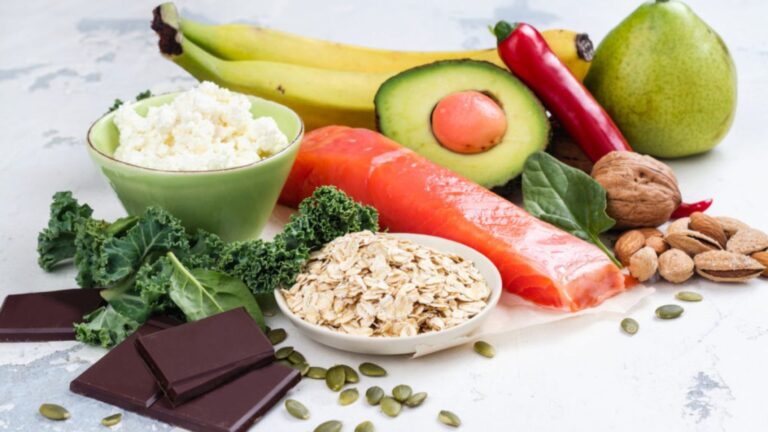
Additional Sleep-Enhancing Foods 🥬
- Oats: Contain melatonin and complex carbs that support serotonin production.
- Bananas: Rich in potassium and magnesium, helping muscles relax.
- Kiwi: High in antioxidants and serotonin, linked to improved sleep quality.
💡 Pro tip: Combining these foods thoughtfully in your evening routine can have a bigger impact than eating them randomly. For instance, a small handful of almonds with chamomile tea, or warm milk with a few walnuts, can create a powerful, natural sleep-promoting combo.
When you consistently choose foods that help you sleep — instead of heavy, sugary, or stimulant-filled snacks — your body gradually learns to relax on its own.
Building a consistent nighttime routine around these foods doesn’t just help you fall asleep faster—it improves the overall quality of your sleep, helping you wake up refreshed, focused, and energized.
4. Foods to Avoid Before Bedtime 🚫
Here’s the surprising part: many people eat “healthy” foods at night that still wreck their sleep — simply because of timing or quantity. Just as some foods help you sleep, others can disrupt your rest if eaten too close to bedtime. Knowing what to avoid can make a huge difference in how quickly you fall asleep and how deeply you rest.
Here are the main culprits:
- Caffeine and Coffee ☕
Caffeine is a stimulant that can stay in your system for 6–8 hours. Drinking coffee, black tea, or energy drinks late in the day can delay your ability to fall asleep. Even chocolate contains caffeine, so it’s best to limit it in the evening. - Heavy, Greasy, or Spicy Foods 🌶️🍟
Foods that are rich, fried, or spicy can cause heartburn or indigestion, making it difficult to get comfortable in bed. Pizza, burgers, or spicy curries are best enjoyed earlier in the day. - Sugary Snacks and Desserts 🍰
Sugary treats spike your blood sugar, causing energy bursts followed by crashes. These fluctuations can disrupt your sleep cycle, making you wake up at odd hours. - Alcohol 🍷
While alcohol might make you feel sleepy initially, it reduces REM sleep, the deep restorative stage of sleep. This can leave you feeling groggy and unrefreshed in the morning. - High-Protein Meals Late at Night 🍖
Large portions of red meat or protein-heavy meals can take longer to digest, keeping your body “active” when it should be winding down.
Pro tips for a sleep-friendly evening:
- Eat dinner 2–3 hours before bedtime. This gives your body enough time to digest.
- Stick to light, easy-to-digest snacks if you’re hungry closer to bed. Examples: a small bowl of yogurt, a few almonds, or a banana.
- Stay hydrated but avoid excessive fluids right before sleep to prevent nighttime bathroom trips.
By avoiding these foods in the evening, you’ll give your body a better chance to relax naturally and prepare for a restorative night of sleep.
5. Tips for Creating a Sleep-Friendly Diet
If you want to optimize your diet for better sleep, it’s not just about individual foods—it’s about the overall patterns and timing of your meals. Here’s how to build a sleep-supportive eating routine:
- Prioritize Sleep-Promoting Nutrients
- Include foods rich in magnesium, tryptophan, and melatonin.
- Examples: almonds, walnuts, bananas, oats, cherries, and herbal teas.
- These nutrients help relax your body and regulate your internal clock naturally.
- Time Your Meals Wisely ⏰
- Avoid heavy meals right before bed.
- Aim for dinner 2–3 hours before bedtime.
- If you need a snack later, keep it small and sleep-friendly, like a handful of nuts or warm milk.
- Limit Stimulants in the Evening
- Cut out caffeine, energy drinks, and sugary treats in the late afternoon or evening.
- Even small amounts of caffeine in chocolate or tea can interfere with sleep cycles.
- Hydrate Smartly 💧
- Drink enough water throughout the day, but reduce intake 1–2 hours before bed to avoid waking up at night.
- Herbal teas can be a great way to stay hydrated and relax simultaneously.
- Create a Relaxing Evening Ritual
- Make your last meal or snack part of a calm, bedtime routine.
- Dim the lights, avoid screens, and savor your food mindfully. This helps signal your body that it’s time to wind down.
- Experiment and Listen to Your Body
- Everyone’s body is different. Some people sleep better with warm milk, others with cherries or herbal teas.
- Track what works for you and adjust your evening diet accordingly.
By combining sleep-supporting foods, proper timing, and mindful eating, you can turn your diet into a powerful ally for better sleep. 🌙✨
Important: If you have chronic insomnia, sleep apnea, diabetes, or are on medication, always talk to your doctor before making big diet changes or using herbal sleep remedies.
6. Other Natural Ways to Improve Sleep
While diet plays a big role in sleep quality, there are several other natural habits that can enhance your rest and make it easier to fall asleep. Think of these as sleep boosters that complement the foods you eat:
1. Stick to a Consistent Sleep Schedule ⏰
Going to bed and waking up at the same time every day helps regulate your body’s internal clock. Over time, this makes it easier to fall asleep naturally and wake up refreshed. Even on weekends, try to maintain a similar schedule.
2. Limit Screen Time Before Bed 📱💡
The blue light from phones, tablets, and computers can suppress melatonin, the hormone that tells your body it’s time to sleep. Try to avoid screens for at least 30–60 minutes before bed. Instead, read a book, meditate, or enjoy a calming herbal tea.
3. Create a Relaxing Sleep Environment 🛏️
- Keep your bedroom cool, quiet, and dark.
- Use blackout curtains or a sleep mask if needed.
- Consider white noise or soft background sounds if you live in a noisy area.
4. Gentle Evening Movement 🧘♀️
Light stretching, yoga, or a short evening walk can help release tension and prepare your body for rest. Avoid intense workouts right before bed, as they can increase adrenaline and make it harder to sleep.
5. Mindfulness and Relaxation Techniques 🧘♂️
- Deep breathing exercises, meditation, or progressive muscle relaxation can calm your mind.
- Journaling or writing down your thoughts before bed can also help reduce stress and racing thoughts, making sleep easier to come by.
6. Aromatherapy and Natural Scents 🌸
Scents like lavender, chamomile, or sandalwood can trigger relaxation and improve sleep quality. Use essential oils in a diffuser or add a few drops to your pillow for a soothing effect.
Combining these habits with sleep-supporting foods creates a holistic approach to better rest. Small, intentional changes can add up quickly, helping you wake up feeling refreshed, energized, and focused every morning.
Common Questions About Foods That Help You Sleep
❓ Can eating the right foods really help me fall asleep faster?
Yes — certain foods contain nutrients like magnesium, tryptophan, and natural melatonin that support relaxation and regulate your sleep-wake cycle. They won’t act like sleeping pills, but they can gently improve how quickly you fall asleep and how rested you feel in the morning.
❓ When is the best time to eat sleep-friendly foods?
The ideal time is about 60–90 minutes before bed. This gives your body enough time to digest while allowing the nutrients to support melatonin production and relaxation.
❓ Is it OK to drink herbal tea every night for sleep?
Most caffeine-free herbal teas like chamomile, lavender, and valerian are safe for nightly use. If you’re pregnant, taking medication, or have health conditions, check with your doctor first, especially with valerian or strong herbal blends.
❓ Do plant-based milks work as well as dairy milk for sleep?
Yes — many plant milks like almond or oat milk contain magnesium and are often fortified with nutrients that support relaxation. Dairy milk naturally contains tryptophan, which may give it a slight advantage, but both can be helpful as part of a calming bedtime routine.
❓ Are cherries or cherry juice better for sleep?
Both can help. Tart cherry juice is more concentrated in natural melatonin, while whole cherries offer fiber and antioxidants. Choose whichever fits your preference — just avoid added sugar.
❓ Can eating late at night ruin my sleep even if the food is healthy?
Yes. Large or heavy meals close to bedtime can cause indigestion and keep your body busy digesting instead of resting. Keep nighttime snacks small and light.
❓ Is it safe to eat nuts like almonds or walnuts every night?
For most people, yes — they’re heart-healthy and rich in sleep-supporting nutrients. Stick to a small handful to avoid extra calories, and skip salted or sugary versions.
❓ Why do sugary snacks make it harder to sleep?
Sugar causes quick spikes and crashes in blood sugar, which can trigger restlessness, night awakenings, and even anxiety. Choosing slow-digesting foods keeps your energy stable through the night.
❓ What should I do if I still can’t sleep after changing my diet?
Diet helps — but sleep also depends on routine, stress levels, screen time, and bedroom environment. If poor sleep continues for weeks, talk to a healthcare professional to rule out sleep disorders like insomnia or sleep apnea.
❓ Can I combine several sleep-friendly foods together?
Yes — in fact, pairing foods often works better than eating just one. For example, warm milk with a few walnuts or chamomile tea with a banana provides both calming nutrients and gentle carbohydrates, which support natural melatonin release without making you feel heavy.
Common Mistakes People Make With Sleep Foods
A lot of people try sleep-friendly foods but give up too soon. The truth is, these foods work best when you use them consistently for 2–3 weeks, avoid heavy late-night meals, and keep caffeine out of the evenings. Another mistake is eating too much — bedtime snacks should be small, calming, and simple.
Conclusion: Nourish Your Body, Rest Your Mind
Getting a good night’s sleep is one of the simplest and most effective ways to support your overall health. By focusing on foods that help you sleep, avoiding disruptive snacks, and adopting healthy evening habits, you’re giving your body the tools it needs to recharge naturally.
Remember:
- Include sleep-friendly foods like almonds, tart cherries, walnuts, and herbal teas in your nightly routine.
- Avoid stimulants, heavy meals, and sugary snacks before bed.
- Pair your diet with consistent sleep patterns, a calm environment, and relaxation techniques.
Sleep isn’t a luxury—it’s a vital part of your well-being. By nourishing your body with the right foods and habits, you’re not just improving your sleep; you’re boosting your energy, focus, mood, and overall health. 🌿💤
Start small—pick one sleep-friendly food tonight or try a calming tea ritual—and notice how your nights and mornings transform. Over time, these natural solutions can help you achieve the restful, rejuvenating sleep your body deserves.
And if you’d like to go deeper, explore our other guides on healthy habits, nutrition, and natural wellness — each one is designed to help you build a calmer, healthier lifestyle, one simple change at a time.
If you’re looking to build healthier routines beyond better sleep, explore our Health & Wellness Guide for simple habit-building tips, nutrition insights, and lifestyle advice that support your overall well-being.
Trusted Sources You Can Count On
These resources are widely trusted in the medical and sleep-research communities and are great places to explore the science behind better sleep:
- National Sleep Foundation – Great tips on sleep and which foods can help you rest better.
- Harvard Medical School – Sleep and Nutrition – Explains how what you eat affects your sleep naturally.
- Mayo Clinic – Sleep Tips – Practical, science-backed advice for a good night’s sleep.
- Cleveland Clinic – Sleep and Diet – Shows which foods can make a difference in your sleep quality.