Satya Nadella Leadership at Microsoft: Empathy Behind a $3T Giant
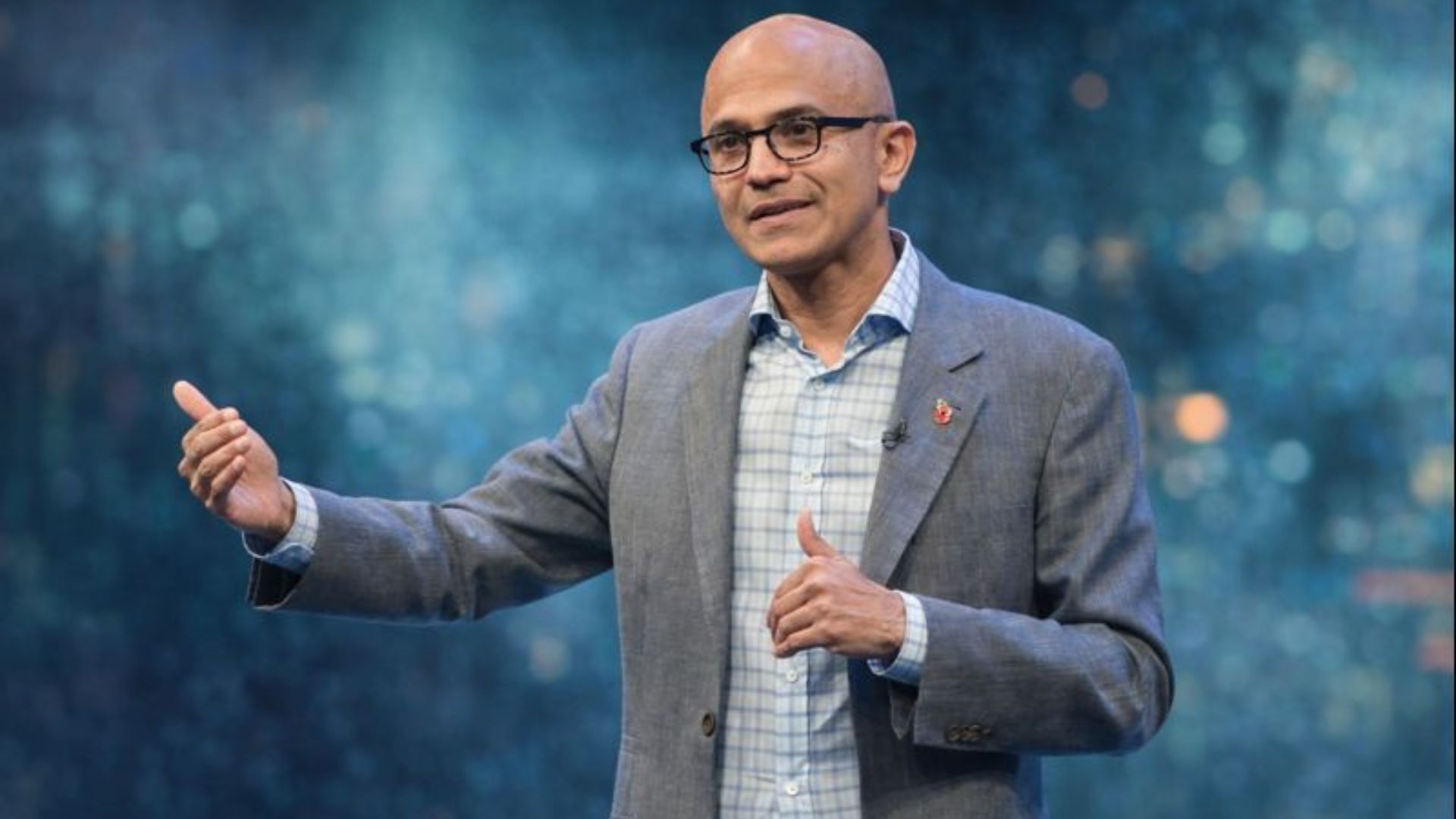
When Satya Nadella became CEO of Microsoft in 2014, he didn’t walk into a company in crisis.
He walked into something far more dangerous: a company that was successful, powerful, and slowly losing its curiosity.
Microsoft dominated operating systems, enterprise software, and productivity tools. On paper, it was thriving. Inside, however, innovation had stalled. Teams competed instead of collaborating. Leaders defended products instead of questioning them. The organization had become inward-looking—confident, but cautious.
Nadella didn’t arrive with bold ultimatums or dramatic restructuring plans.
Instead, he introduced an idea that felt almost out of place in Silicon Valley power culture: Empathy.
What followed wasn’t a loud turnaround—but one of the most effective leadership transformations in modern business history.
Inside Satya Nadella’s Leadership Transformation at Microsoft
- The Microsoft Problem No One Wanted to Admit (2014)
- The Most Radical Shift: From Authority to Curiosity
- Why Empathy Became a Strategic Advantage—Not a Soft Skill
- Letting Go of the Past: Ending Microsoft’s Windows Obsession
- Quiet Leadership in a Loud CEO Era
- The Numbers That Prove Culture Is Strategy
- Leadership in Action: Defining Case Studies
- What Modern Leaders Can Learn from Satya Nadella
- Why Satya Nadella Redefined 21st-Century Leadership
- Frequently Asked Questions About Satya Nadella’s Leadership
- Final Takeaways
The Microsoft Problem No One Wanted to Admit (2014)
In 2014, Microsoft’s challenge wasn’t technical. It was psychological.
Inside the Organization
- Teams operated in rigid silos
- Innovation was slowed by fear of failure
- Meetings rewarded those who sounded smartest—not those who asked the best questions
- Product success was measured internally before it was validated externally
Nadella later described this as a “know-it-all culture”—an environment where certainty mattered more than learning.
A telling observation
In one of his earliest leadership meetings, Nadella noticed engineers arguing about ownership rather than outcomes. No one asked what customers needed next. Everyone defended what already existed.
That moment crystallized his belief:
If Microsoft didn’t learn faster than the market, its dominance would quietly expire.
The Most Radical Shift: From Authority to Curiosity
Nadella’s first major decision wasn’t about products or acquisitions.
It was about how people were allowed to think.
Introducing the “Learn-It-All” Culture
Instead of rewarding people for being right, Nadella rewarded them for being curious.
- Questions replaced declarations
- Cross-team collaboration replaced internal rivalry
- Failure became data—not damage
- Leaders modeled vulnerability instead of infallibility
This wasn’t motivational talk. It was operationalized:
- Performance reviews emphasized learning
- Senior executives publicly acknowledged mistakes
- Teams were encouraged to experiment beyond their comfort zones
By 2016, Microsoft employees stopped asking, “How do we protect Windows?”
They started asking, “What problem should we solve next?”
That single shift unlocked years of stalled innovation.
Why Empathy Became a Strategic Advantage—Not a Soft Skill
Empathy wasn’t a buzzword for Nadella. It was deeply personal.
As a parent of a child with special needs, he understood something many leaders miss:
Technology only matters when it improves human lives.
How Empathy Changed Microsoft’s Decisions
- Accessibility became a design priority, not an afterthought
Tools like Seeing AI emerged from this mindset. - Workplace flexibility increased, improving retention and engagement.
- Product teams focused on lived experiences, not just specifications.
Empathy made Microsoft faster, not softer.
It reduced friction, increased trust, and aligned teams around shared purpose.
Letting Go of the Past: Ending Microsoft’s Windows Obsession
One of Nadella’s boldest moves was psychological, not financial:
He stopped treating Windows as Microsoft’s identity.
Strategic Shifts That Shocked the Industry
- Office launched on iOS and Android, prioritizing users over legacy dominance
- Microsoft embraced open-source communities instead of competing with them
- The GitHub acquisition signaled humility—and long-term vision
Azure’s Breakthrough Moment
During early cloud strategy discussions, Nadella posed a simple challenge:
“Build Azure as if every customer is meeting Microsoft for the first time.”
That philosophy transformed Azure into a platform built on trust, flexibility, and customer empathy—fueling its rise as the world’s second-largest cloud service.
Quiet Leadership in a Loud CEO Era
While many tech CEOs built personal brands, Nadella built systems.
His leadership style is defined by:
- Listening more than speaking
- Delegating authority instead of centralizing power
- Optimizing for decades, not quarters
- Measuring success through cultural health, not headlines
There were no viral rants. No public ego battles.
Yet Microsoft’s transformation outpaced louder rivals.
The Numbers That Prove Culture Is Strategy
Culture shifts are easy to dismiss—until results make them undeniable.
| Year | Metric | Result |
|---|---|---|
| 2014 | Market Capitalization | $310 Billion |
| 2018 | GitHub Acquisition | $7.5 Billion |
| 2020 | Market Capitalization | $1.6 Trillion |
| 2022 | Azure Revenue Growth | 50% YoY |
| 2023 | Market Capitalization | $3 Trillion |
| 2023 | Microsoft Teams Users | 300+ Million |
| 2023 | Employee Engagement | 90%+ |
Insight:
Microsoft didn’t grow because of one product.
It grew because its culture stopped resisting change.
Leadership in Action: Defining Case Studies
Satya Nadella’s leadership wasn’t theoretical — it was proven through real initiatives that transformed Microsoft from the inside out. Each case reflects his core belief: leadership is about enabling others, not dominating them.
Microsoft Teams
- Built through collaboration rather than competition, Teams became the backbone of modern work, connecting millions globally and replacing siloed communication.
Azure Cloud
- A customer-first approach and deep internal trust accelerated adoption across industries. Teams were empowered to innovate quickly, leading to Azure’s position as the world’s second-largest cloud platform.
GitHub
- Instead of controlling developers, Microsoft empowered them, signaling openness and earning global credibility in the developer community.
Responsible AI
- AI integration focused on ethics, productivity, and long-term trust rather than chasing short-term hype. Products like Office 365 AI tools reflect careful, human-centered decision-making.
Each initiative demonstrates Nadella’s principle: leaders succeed by enabling teams, fostering trust, and prioritizing human impact over ego.
What Modern Leaders Can Learn from Satya Nadella
- Empathy scales better than authority
- Culture determines execution speed
- Learning organizations outlast controlling ones
- Quiet consistency beats charismatic volatility
- Trust compounds faster than fear
Why Satya Nadella Redefined 21st-Century Leadership
Nadella proved that:
- Transformation doesn’t require theatrics
- Power doesn’t require intimidation
- Innovation doesn’t require ego
By rebuilding Microsoft’s culture, he rebuilt its future.
Empathy wasn’t a side note—it was the engine.
Frequently Asked Questions About Satya Nadella’s Leadership
How did Satya Nadella change Microsoft’s leadership culture?
He replaced a “know-it-all” mindset with a “learn-it-all” culture, prioritizing curiosity, collaboration, and psychological safety.
What impact did Nadella have on Microsoft’s growth?
Microsoft’s market cap grew from $310B in 2014 to $3T in 2023, driven by Azure growth, Teams adoption, and cultural transformation.
Why is empathy central to Nadella’s leadership style?
Personal experience shaped his belief that technology must serve human needs, improving trust, innovation, and long-term value.
What makes Satya Nadella different from other tech CEOs?
He leads quietly—through systems, culture, and empowerment—rather than personal branding or spectacle.
Final Takeaways
- Empathy is a competitive advantage
- Culture is the hidden architecture of strategy
- Learning beats control in complex organizations
- Quiet leadership builds enduring companies
Satya Nadella didn’t just lead Microsoft forward—he showed the world what modern leadership actually looks like.
Written by Hemant Agarwal, who covers leadership, organizational culture, and how modern CEOs shape long-term business transformation.