10 Simple Exercises to Do at Home Without Equipment

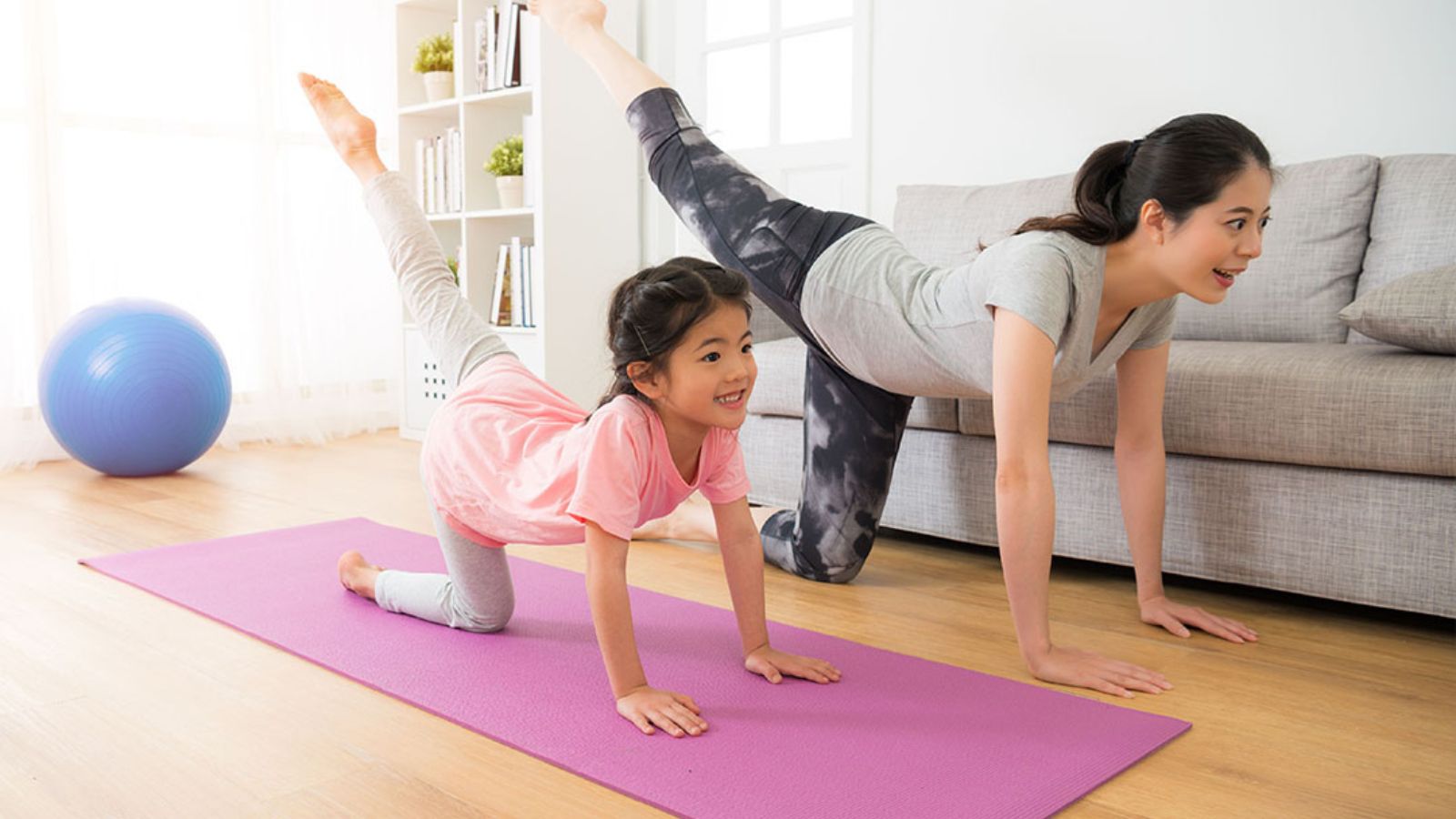
Simple home workout — person doing bodyweight exercises in a living room

In this article:

  1. Jumping Jacks – The Ultimate Warm-Up Move
  2. Bodyweight Squats – Build Lower Body Strength
  3. Push-Ups – Strengthen Chest, Arms, and Shoulders
  4. Plank – Core Stability and Balance
  5. Lunges – Sculpt Your Legs and Glutes
  6. Mountain Climbers – Full-Body Cardio Exercise
  7. Glute Bridges – Activate Your Core and Hips
  8. High Knees – Boost Stamina and Agility
  9. Triceps Dips – Tone Your Arms at Home
  10. Wall Sit – Challenge Your Leg Endurance

Introduction: Staying Fit Without a Gym

Most people think fitness starts with a gym card — but the truth is, many great transformations begin at home. I’ve seen people lose weight, build strength, and feel more energetic using nothing more than a mat, a little space, and body-weight exercises.

Your home workout doesn’t need machines or complicated plans. What matters is movement you can repeat consistently. With the right exercises, you can improve strength, burn calories, and stay flexible — all while working out between daily chores, office breaks, or family time.

Why home workouts actually work (backed by real results):

  • You save time and money 💰 (no travel, no fees)
  • No waiting for equipment — you start immediately
  • Less pressure, more focus — you move at your own pace
  • Perfect for beginners and people restarting after a gap

Body-weight exercises train multiple muscles at once and teach your body to move better in everyday life — lifting groceries, climbing stairs, sitting, standing, and bending all feel easier.

A Quick Example: 8 Minutes, No Equipment

If you think you don’t have time, try this mini routine:

  • 30 seconds — marching or jogging in place
  • 10 squats
  • 10 push-ups (wall or knee push-ups if needed)
  • 20 seconds — plank
  • 10 lunges (each leg)

Rest for 60 seconds — then repeat once.

That’s less than 8–10 minutes, but it still boosts your heart rate and metabolism. Small, repeatable routines like this are what actually build long-term fitness.

Getting Ready for Your Home Workout

Before you start, prepare smartly:

  • wear comfortable clothes and supportive shoes
  • clear a small area so you don’t trip
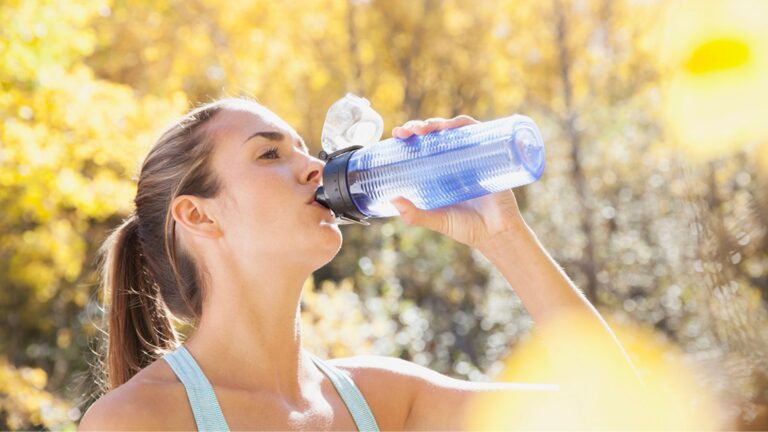
  • keep water nearby 💧
  • warm up for 2–3 minutes (marching, shoulder rolls, arm swings)
  • move slowly and focus on form
  • stop if you feel sharp pain or dizziness

Remember: progress > perfection. Even 15 minutes done regularly is more powerful than one intense workout done once in a while.

How Often Should You Do These Exercises?

For beginners:

  • 3–4 days per week
  • 20–30 minutes per session
  • at least one rest day for recovery

As you feel stronger:

  • increase reps or workout time
  • add one extra day
  • try tougher variations (like jump squats or longer planks)

Consistency beats intensity.
A steady routine builds strength, confidence, and discipline — and that’s what truly changes your body.


1. Jumping Jacks – The Ultimate Warm-Up Move

Jumping jacks — the ultimate warm-up that gets your blood flowing and muscles ready for action.

Jumping jacks are simple, but don’t let that fool you — they wake up almost every muscle in your body. Within a few seconds your heart rate climbs, your joints loosen up, and your body switches into “ready to move” mode. That’s why athletes and trainers use them as a go-to warm-up.

How to do jumping jacks (step-by-step)

  1. Stand tall, feet together, arms resting by your sides.
  2. Jump your feet out wider than shoulder-width while raising your arms overhead.
  3. Jump again to return to the starting position.
  4. Keep the movement light and controlled — not rushed.
  5. Breathe naturally and keep your core slightly tight.

👉 Beginner plan: start with 3 rounds of 30 seconds, resting 15 seconds between rounds.
If that feels easy, add 10–15 seconds to each round.

Benefits of jumping jacks

  • Boosts heart and lung health ❤️
  • Burns calories quickly
  • Warms up the whole body before tougher exercises
  • Improves coordination, rhythm, and stamina

Jumping jacks also teach your body to move in sync — arms, legs, and core working together — which helps with daily movements and sports.

A quick real-life example

Riya works from home and used to feel sleepy by mid-afternoon. Now, whenever she feels sluggish, she does two quick rounds of jumping jacks right beside her desk.
In under two minutes, her heart rate rises, she feels more alert — and she doesn’t reach for coffee.

Small bursts like this can break long sitting periods and give you an instant energy lift.

🔎 Why they work: aerobic moves like jumping jacks strengthen your heart and improve endurance over time — even when done in short, regular sessions.

Pro tip:
Want extra challenge? Add a squat between each jump. It turns the exercise into a fun cardio + leg-strength combo.


2. Bodyweight Squats – Build Lower Body Strength

Bodyweight squats — simple yet powerful for toning your legs and improving balance.

Bodyweight squats look simple, but they’re one of the most effective exercises you can do at home. They target your thighs, hips, and glutes while also training your core to stabilize your body. The best part? Squats mirror movements you already do every day — like sitting, lifting, and getting out of a chair — so they make daily life feel easier.

How to do bodyweight squats (step-by-step)

  1. Stand tall with your feet shoulder-width apart, toes slightly turned out.
  2. Lift your chest and keep your back neutral (not rounded).
  3. Bend your knees and push your hips back like you’re sitting into a chair.
  4. Lower until your thighs are roughly parallel to the floor.
  5. Press through your heels to stand back up, squeezing your glutes at the top.

👉 Start with: 3 sets of 15 reps, resting 30 seconds between sets.
If your knees feel uncomfortable, shorten the range of motion and build depth gradually.

Benefits of squats

  • Strengthens thighs, glutes, and calves
  • Builds core stability and balance
  • Improves hip and knee mobility
  • Engages large muscles, helping you burn more calories

Squats don’t just “tone” — they teach your body to move safely and powerfully, which reduces your risk of injury.

A common mistake to avoid

Many beginners let their knees drift forward past their toes. Instead, think “sit back” and keep most of your weight in your heels. Your knees should follow the direction of your toes, not collapse inward.

Real-life example

Rahul used to avoid stairs and always took the elevator. He began doing 15 squats before his morning shower every day.
After four weeks, his legs felt stronger, and he could climb multiple flights of stairs without stopping — a small change that made a big difference.

🔎 Why squats work: they activate several large muscle groups at once, which increases calorie burn even after the workout is finished.

Pro tip:
Comfortable with regular squats? Try jump squats or pulse squats to add intensity and build explosive strength.


3. Push-Ups – Strengthen Chest, Arms, and Shoulders

Push-ups — a full-body move that strengthens your chest, arms, and shoulders anywhere.

Push-ups are one of the most efficient exercises you can do at home. With one simple movement, you train your chest, shoulders, triceps, and core — no weights, no bench, no equipment. That’s why push-ups have stayed in every athlete’s routine for decades.

And if you can’t do many yet, don’t worry. Push-ups are meant to be progressed, not perfected on day one.

How to do push-ups (step-by-step)

  1. Start in a high plank: hands flat on the floor under your shoulders, legs extended behind you.
  2. Keep your body straight — head, hips, and heels in one line.
  3. Bend your elbows and lower your chest toward the floor.
  4. Press through your palms to return to the starting position while exhaling.

👉 Aim for 3 sets of 10–15 reps.
Beginners can drop to their knees first, then gradually work toward full push-ups.

Benefits of push-ups

  • Builds strong chest, arms, and shoulders 💪
  • Engages your core for better stability
  • Improves posture and shoulder endurance
  • Easy to do anywhere — even next to your bed

Push-ups challenge multiple muscles at once, making them one of the most time-efficient strength exercises you can do.

Real-life progress example

Meena couldn’t manage even one full push-up when she started.
So she began with knee push-ups — just five a day.
Three weeks later, she surprised herself by completing 10 full push-ups in a row. Small, consistent effort adds up faster than most people realize.

🔎 Why they work: research shows push-ups activate upper-body and core muscles together, leading to stronger, more stable movement overall.

Pro tip:
Want a challenge? Try incline push-ups (hands on a chair) or decline push-ups (feet on a step). Slight changes in angle dramatically change difficulty.


4. Plank – Core Stability and Balance

Plank — the ultimate test of core endurance and full-body stability.

The plank looks easy — until you try to hold it. After a few seconds you’ll feel your abs, shoulders, and back working together. That’s exactly why planks are so powerful: they train your core to support your whole body, not just your belly.

How to do a plank (step-by-step)

  1. Get into a push-up position, but place your forearms on the floor with elbows under your shoulders.
  2. Stretch your legs back and keep your body in a straight line from head to heels.
  3. Tighten your core as if you’re gently bracing for a cough.
  4. Hold the position for 30–60 seconds, breathing slow and steady.

👉 If that’s tough, start with 15–20 seconds and add a few seconds each week. Small progress counts.

Benefits of planks

  • Strengthens abs, lower back, and shoulders
  • Improves posture and protects the spine
  • Builds balance and full-body stability
  • Helps tighten and tone the midsection 🔥

Unlike crunches, planks train the deep stabilizing muscles that support your back — which makes everyday movements safer and easier.

Real-life example

Amit added planks to his nightly routine.
He simply holds a plank during one TV ad break. Over time, he went from 20 seconds to a full minute, and even noticed his back pain easing as his core got stronger.

🔎 Why planks work: stronger core muscles provide better support to your spine, reducing the risk of injury and improving overall movement quality.

Pro tip:
When the regular plank feels comfortable, try side planks. They target your obliques and help shape a more defined waistline.


5. Lunges – Sculpt Your Legs and Glutes

Lunges — tone your thighs and glutes while improving coordination and balance.

Lunges are one of the best moves for shaping the legs and glutes while also training coordination. Each rep forces you to balance on one leg at a time, which activates stabilizing muscles that normal standing exercises often miss. If you want toned legs and better mobility, lunges deserve a place in your routine.

How to do lunges (step-by-step)

  1. Stand tall with your feet hip-width apart.
  2. Step forward with your right leg and lower your body until both knees form roughly 90° angles.
  3. Keep your front knee aligned over your ankle — not past your toes.
  4. Press through the front heel to return to the starting position.
  5. Switch legs and repeat.

👉 Start with: 3 sets of 10 reps per leg.
Move slowly at first — control is more important than speed.

Benefits of lunges

  • Tones thighs and glutes 🍗
  • Improves balance and coordination
  • Builds functional lower-body strength
  • Encourages better walking and running mechanics

Because lunges work each leg separately, they also help correct strength imbalances — something machines can’t do as effectively.

Common mistakes to avoid

  • Leaning too far forward — keep your chest lifted.
  • Dropping your back knee too fast instead of lowering with control.
  • Letting your front knee cave inward; keep it pointing in line with your toes.

Real-life example

Kavita added lunges into her evening routine while chatting on the phone.
She does 10 reps per leg, finishing in just 3–4 minutes. After a month, her legs felt stronger and she noticed better balance while walking and climbing stairs.

🔎 Why lunges work: they train multiple muscles at once and challenge balance, making them extremely useful for everyday movement.

Pro tip:
Try reverse lunges or walking lunges for variety. When it feels easy, hold a backpack or water bottle for light resistance.


6. Mountain Climbers – Full-Body Cardio Exercise

Mountain climbers — a fast-paced move that combines cardio and core strength in one.

Mountain climbers look simple, but once you start, you’ll feel how intense they are. This exercise blends cardio and core work at the same time, making it perfect when you want a quick, sweaty burst without equipment. Your abs, shoulders, arms, and legs all stay active — almost like you’re sprinting horizontally.

How to do mountain climbers (step-by-step)

  1. Start in a plank with your hands directly under your shoulders.
  2. Pull your right knee toward your chest without letting the foot touch the floor.
  3. Switch legs quickly, driving the left knee forward as the right one moves back.
  4. Keep alternating at a steady, controlled pace — like running in place.

👉 Aim for 3 sets of 30–45 seconds.
Form first, speed later. Once it feels smooth, then increase the tempo.

Benefits of mountain climbers

  • Burns calories quickly 🔥
  • Strengthens the core, shoulders, and arms
  • Improves agility and coordination
  • Gives you an instant cardio boost at home

Because they combine strength training with fast movement, mountain climbers are excellent for boosting metabolism and improving endurance.

Real-life example

Arjun squeezes workouts between meetings.
He sets a 30-second timer, rests 20 seconds, and repeats three rounds of mountain climbers.
In under three minutes, he gets his heart rate up and feels refreshed — without leaving his workspace.

🔎 Why they work: multiple muscle groups fire together while your heart rate rises, which makes them highly efficient in a short time.

Pro tip:
Start slow to nail your form. Keep your back straight and avoid bouncing your hips — your core should stay tight the entire time.


7. Glute Bridges – Activate Your Core and Hips

Glute bridges — engage your hips, glutes, and lower back for better posture and strength.

If your day involves a lot of sitting, glute bridges are a game changer. This exercise wakes up the muscles that often “switch off” when we sit too long — especially the glutes and hamstrings. By strengthening these areas, glute bridges support your lower back, improve posture, and make everyday movements feel easier.

How to do glute bridges (step-by-step)

  1. Lie on your back with knees bent and feet hip-width apart.
  2. Place your arms by your sides with palms facing down.
  3. Press through your heels and lift your hips toward the ceiling.
  4. Squeeze your glutes at the top, pause briefly, then lower slowly.

👉 Start with 3 sets of 15 repetitions at a controlled pace.

Benefits of glute bridges

  • Strengthens glutes, hamstrings, and lower back
  • Improves hip mobility and core stability
  • Encourages healthier posture
  • Relieves stiffness caused by long sitting 💺

Because the movement is gentle and controlled, it builds strength without loading the spine, which makes it beginner-friendly.

Real-life example

Neha works long office hours and often felt tightness in her lower back.
She began doing three sets of glute bridges before bed. Within a few weeks, her hips felt looser and the discomfort in her lower back started to fade.

🔎 Why they work: glute bridges reactivate weak glute muscles, which helps protect the lower back and improves overall movement.

Pro tip:
When the regular version feels easy, try single-leg glute bridges. Lifting one leg forces your core to stabilize even more — and you’ll immediately feel the difference.


8. High Knees – Boost Stamina and Agility

High knees — a fun, high-energy exercise to build stamina and leg strength.

High knees look simple — but they pack the punch of a mini cardio workout.
In less than a minute, your heart rate climbs, your legs fire up, and your coordination improves. Because you’re driving your knees upward instead of running forward, this move delivers cardio benefits even in small spaces — perfect for apartments or tight rooms.

How to do it (like a coach would teach you):

  • Stand tall, shoulders relaxed, chest lifted.
  • Drive your right knee up toward your chest — think “hip height or higher.”
  • Switch legs quickly, keeping your toes light on the floor.
  • Pump your arms like you’re sprinting — it keeps rhythm and builds speed.
  • Maintain a steady pace for 30 seconds, rest 15 seconds, repeat 3 rounds.

👉 If you’re advanced, try 45 seconds on / 15 seconds off.

Benefits:

  • 🔥 Spikes your heart rate fast — great for fat burning
  • Builds leg power and ankle strength
  • Improves balance, timing, and coordination
  • Excellent as a quick morning cardio burst or a warm-up for tougher workouts

🔬 Because high knees are a form of high-intensity interval movement, your body keeps burning calories even after you stop — a bonus known as the afterburn effect.

Real-life example:

Varun used to skip exercise “because there wasn’t time.”
Now he does high knees for 2 minutes while his morning tea boils.
Within three weeks, he noticed:

  • Less mid-day fatigue
  • Better stamina climbing stairs
  • A surprising boost in mood

Sometimes, the smallest routine change creates the biggest shift.

Pro tip:

Keep your core tight and land softly — you should hear quiet, controlled steps, not heavy thuds.
If jumping bothers your knees, march in place with exaggerated high knees — same motion, lower impact.

High knees are like flipping your body’s “ON” switch — fast, energizing, and surprisingly effective when done consistently.


9. Triceps Dips – Tone Your Arms at Home

Triceps dips — use a chair to sculpt and tone your arms without weights.

Most people think toned arms require dumbbells — but a simple chair can do the job surprisingly well.
Triceps dips specifically target the muscle on the back of your upper arm — the one that often feels soft when you wave — while your shoulders and core work quietly in the background to keep you stable.

How to do it (step-by-step, safely):

  • Sit on the very edge of a sturdy chair and place your hands beside your hips.
  • Walk your feet forward and slide your hips off the seat, keeping your chest lifted.
  • Bend your elbows and slowly lower your body until your arms reach about 90 degrees.
  • Press through your palms to return to the starting position — no swinging or jerking.
  • Aim for 3 sets of 10–12 reps with controlled movement.

👉 Move slowly. If your shoulders feel pinched, reduce the range of motion.

Benefits:

  • 💥 Targets and strengthens your triceps directly
  • Improves overall upper-body tone and definition
  • Supports everyday movements like pushing doors or getting up from chairs
  • Requires only a chair — no gym, no equipment, no excuses

🔬 Because dips isolate the triceps, they create more focused tension — which is exactly what helps build strength and firmness over time.

Real-life example:

Priya placed a sturdy chair near her study table.
Each time she finished a study session, she added 10 dips before sitting back down.
After a month, she noticed:

  • Less arm fatigue while carrying groceries
  • Visible firmness around the back of her arms
  • More confidence wearing sleeveless outfits

Small, consistent habits really add up.

Pro tip:

Keep your back close to the chair — drifting too far forward puts unnecessary pressure on your shoulders.
Want more challenge? Straighten your legs or elevate your heels on another chair to increase resistance.

Triceps dips prove that you don’t need expensive equipment to shape strong, confident arms — just good form and consistency.


10. Wall Sit – Challenge Your Leg Endurance

Wall sit — test your strength and endurance with this simple yet powerful leg workout.

Wall sits look simple — until your legs start to shake.
This “invisible chair” exercise builds serious endurance in your thighs, glutes, and calves while training you to stay calm under muscle burn. It’s quiet, low-impact, and incredibly effective for strengthening the entire lower body.

How to do it (step-by-step):

  • Stand with your back flat against a wall and feet about two feet forward.
  • Slide down until your knees form a 90° angle, just like sitting on a chair.
  • Keep your shoulders and lower back pressed gently into the wall.
  • Breathe steadily and tighten your core — no leaning on your hands or thighs.
  • Start with 30 seconds, then gradually progress to 60–90 seconds as you get stronger.

👉 If your knees hurt, rise a little higher — discomfort in muscles is fine, joint pain is not.

Benefits:

  • 🦵 Builds powerful lower-body endurance
  • Strengthens quads, hamstrings, and glutes together
  • Improves stability and mental focus
  • Easy to do anywhere there’s a wall — living room, bedroom, even hallway

🔬 Because wall sits are isometric (you hold the position instead of moving), they train your muscles to work longer without tiring — exactly what helps with stairs, squats, and daily activities.

Real-life example:

Sneha added a wall sit to her nighttime routine.
While brushing her teeth, she holds the position for 60 seconds.
Within weeks, she noticed:

  • Less fatigue when climbing stairs
  • Stronger thighs
  • Better control and balance during other exercises

Consistency beats intensity every time.

Pro tip:

Want to level up? Place a book or water bottle on your lap, or hold your arms straight out in front for extra challenge — while keeping form perfect.

Wall sits are perfect for days when you want a workout that’s quiet but intense.
Your legs will burn — and that burn means your muscles are learning to stay strong longer.


🏃‍♀️ Quick 10-Minute Beginner Home Workout (No Equipment)

Not sure how to combine all these exercises into one routine?
Here’s a simple, effective 10-minute plan that’s perfect for beginners or busy days — no equipment needed.

10-Minute Home Workout Plan

ExerciseDuration / Reps
Jumping Jacks30 seconds
Bodyweight Squats15 reps
Push-Ups (knees or full)10 reps
Plank30 seconds
Lunges10 reps per leg

👉 Rest for 1 minute, then repeat the circuit once more.

This quick session:

  • Raises your heart rate 🔥
  • Builds strength and endurance
  • Improves balance and coordination
  • Fits easily into any schedule — morning, lunch, or evening

Real-life example

Sameer works long hours but still makes time for this routine 4 days a week during lunch.
In just 10 minutes, he noticed:

  • More energy in the afternoon
  • Reduced stress levels
  • Stronger, firmer legs and arms

Even short, consistent workouts make a noticeable difference.

Pro tip

Once this circuit feels easy:

  • Add another round
  • Increase plank or jumping jack duration by 10–15 seconds
  • Try slightly faster pace for a cardio boost

Even small tweaks keep the routine challenging and prevent plateaus.


⚠️ Important Safety Tips Before You Start

Before jumping into home workouts, taking a few precautions can keep you safe and help you stick to your routine long-term.

✔️ Warm Up First

Spend 3–5 minutes loosening your muscles. Try:

  • Marching or jogging in place
  • Arm circles and shoulder rolls
  • Gentle hip swings

Warming up prepares your body and reduces the risk of strains or soreness.

✔️ Start Slow, Progress Gradually

If you’re new to exercise, it’s okay to reduce reps or shorten duration.
Focus on form first — you can always increase intensity once your body adapts.

✔️ Listen to Your Body

Some muscle burn is normal, but sharp or sudden pain is not.
Stop immediately if something feels wrong and adjust the movement.

✔️ Keep Proper Form

Quality beats quantity every time.
Move slowly and controlled to protect your joints and maximize benefits.

✔️ Breathe Normally

Exhale during exertion, inhale on release.
Holding your breath can spike blood pressure and reduce performance.

🛠️ Simple Modifications

  • Knee pain: Replace lunges with a sit-to-stand from a chair.
  • Wrist pain during push-ups or planks: Try knee push-ups or forearm planks.
  • Lower-back discomfort: Keep your core gently engaged; avoid over-lifting hips in glute bridges.
  • Low stamina: Turn high-impact moves like jumping jacks or high knees into marching versions until you build endurance.

💡 Medical considerations:
If you have heart issues, recent surgery, severe pain, or chronic conditions, consult a doctor before starting any new workout plan. Safety first ensures you stay consistent and injury-free.


Bonus: Tips to Stay Consistent with Home Workouts

Consistency is where real results happen. Doing one or two exercises occasionally is good, but tiny daily habits are what build lasting strength, stamina, and confidence.

Real-life habit hacks

Turn everyday moments into mini workouts:

  • Wall sit while brushing your teeth
  • Squats while waiting for food to heat
  • High knees during TV commercial breaks

These small bursts add up over time, turning your home into a fitness-friendly environment without extra time or equipment.

How to stay on track

  • Set small, achievable goals: Focus on progress, not perfection.
  • Pick your time: Morning, evening, or even during short breaks — what matters is showing up consistently.
  • Create a playlist: Upbeat music keeps energy levels high 🎵
  • Track your progress: Note improvements — longer plank holds, more reps, or faster pace.
  • Celebrate little wins: Every small achievement matters and fuels motivation.

Fitness isn’t about punishing your body — it’s about respecting and strengthening it. Some days you’ll feel motivated, others not. On tough days, even a 5-minute session makes a difference, boosting mood and mindset.

Pro tip:

Pair workouts with simple daily habits. For example:

  • Stretch immediately after brushing your teeth
  • Do lunges or squats while waiting for the kettle to boil

Over time, these tiny actions become automatic habits, making exercise feel effortless and sustainable.


Frequently Asked Questions About Home Workouts

1️⃣ Can I really get fit without equipment?

Yes — bodyweight exercises can build strength, burn fat, and improve flexibility. Consistency matters more than equipment.

2️⃣ How long should a home workout be?

For most people, 20–30 minutes a day is enough. Beginners can start with 10 minutes and slowly increase.

3️⃣ Is it okay to do these exercises every day?

Yes — but listen to your body. If you feel sore, do lighter movements or focus on stretching that day.

4️⃣ I’m a beginner. Where should I start?

Begin with easier moves like squats, glute bridges, and wall sits. Add more challenging exercises once you feel confident.

5️⃣ Do home workouts help with weight loss?

They can — especially when combined with healthy eating, good sleep, and daily movement throughout the day.


👥 Who This Workout Is Perfect For

This home workout guide is ideal if you:

  • want to stay active without a gym
  • are a beginner restarting your fitness journey
  • prefer simple exercises you can do in a small space
  • need quick, flexible routines you can fit into a busy day
  • want to build strength, stamina, and confidence gradually

⚠️ Who Should Be Extra Careful

Talk to a doctor or qualified trainer first if you:

  • have severe joint pain, heart problems, or recent surgery
  • are pregnant and unsure which moves are safe
  • feel dizzy, short of breath, or experience chest pain during exercise
  • have been advised to avoid strenuous activity

You can still stay active — but you may need modified or low-impact versions of these exercises.


Conclusion: Make Fitness a Daily Habit 🌟

You don’t need a gym membership, heavy dumbbells, or expensive gear to stay healthy — just a bit of space, some motivation, and a daily commitment to move your body.

These simple exercises prove that fitness is accessible to everyone. Whether you’re a student, a working professional, or a stay-at-home parent, you can fit these moves into your day without stress or special equipment.

The real secret? Consistency.
Doing 10 minutes every day beats doing an hour once a week. Over time, those small efforts add up to big results — stronger muscles, better stamina, and a more positive mindset.

Here’s a quick reminder of what you’ve learned:

  • Jumping Jacks and High Knees wake up your body with cardio energy.
  • Squats, Lunges, and Wall Sits build lower body strength.
  • Push-Ups and Triceps Dips sculpt your arms and shoulders.
  • Planks and Glute Bridges strengthen your core and improve posture.
  • Mountain Climbers tie everything together for full-body fitness.

Start where you are, use what you have, and do what you can. Even if it’s just five minutes a day — it counts. The key is to keep showing up.

Your home can be your best gym if you bring your dedication to it. So roll out your mat, turn up your favorite playlist, and get moving — your body will thank you later! 💪✨

For more tips on staying active and maintaining a healthy lifestyle, check out our complete guide to simple daily habits for better mental and physical well-being — it’s packed with easy strategies you can do at home to feel energized, strong, and balanced every day.


🩺 Trusted Sources & Further Reading

If you’d like to explore more about home workouts and fitness routines, here are some reliable sources to guide you further:

Similar Posts