Why Forex Traders Fail in 2026 — And How to Avoid It
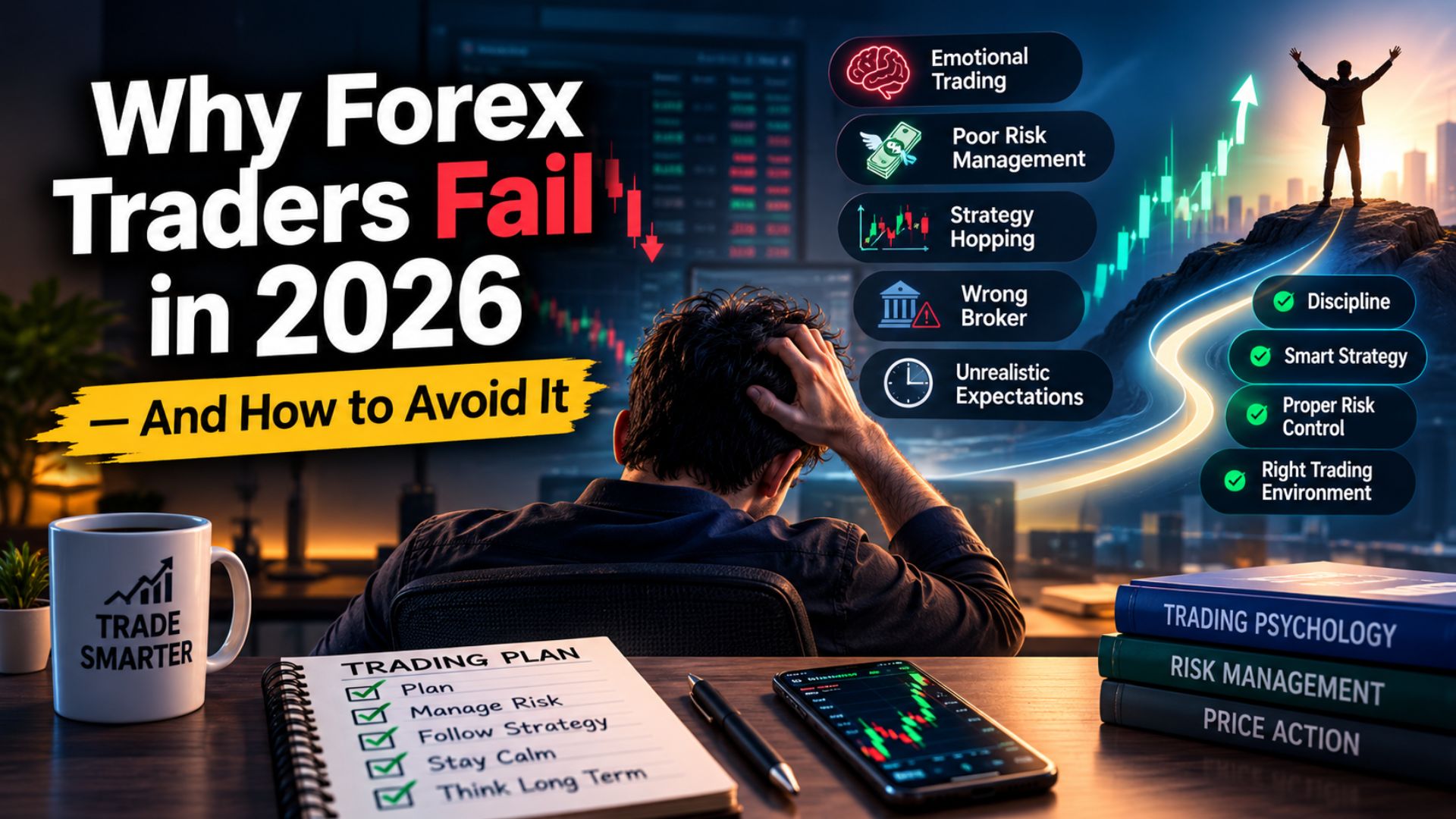
Most beginners enter the Forex market full of confidence, yet many never understand why Forex traders fail until it is too late. The biggest problems are often not the market itself, but poor planning, emotional decision-making, inadequate risk control, and blind trust in random strategies. Understanding these common failure points early can help you avoid costly mistakes and build a more disciplined approach to trading with the right strategy, tools, and trading environment.
Table of Contents
- Understanding Why Most Forex Traders Fail
- The Hidden Mistakes Beginners Make Every Day
- Trading Psychology: How Emotions Sabotage Decisions
- Risk Management: The Foundation of Longevity
- Why Choosing the Right Broker Matters
- How to Build a Professional Trading Plan
- Smart Money vs. Retail Traders
- Practical Steps to Become a More Disciplined Forex Trader
- Final Thoughts: Your Path Forward
1. Understanding Why Most Forex Traders Fail
Many beginners enter Forex with high expectations driven by social media highlights, profit screenshots, and unrealistic promises. When they place their first live trades, reality can set in quickly. Losses accumulate, charts become difficult to interpret, and confidence starts to disappear. The important question is: why do so many Forex traders struggle to remain consistent?
The reality is more straightforward: traders often struggle not because the market is impossible to trade, but because they approach it without a structured plan. Instead of studying price action, developing a clear trading framework, and choosing an appropriate execution environment, beginners may jump between random signals, strategies, and emotional decisions.
Common factors behind early trading difficulties include:
- Inadequate Education: Relying on a handful of short videos instead of developing a proper understanding of the market.
- Over-Diversification: Jumping between numerous currency pairs instead of developing familiarity with a focused selection of markets.
- Unrealistic Expectations: Expecting rapid wealth creation, which can encourage excessive risk-taking.
- Poor Execution Conditions: High spreads, slippage, and delayed execution can add unnecessary trading costs over time.
Establishing a solid trading foundation is essential. Choosing a broker with competitive trading conditions, suitable liquidity, and a strong operational infrastructure can help reduce unnecessary friction and give your strategy a better environment in which to operate.
One broker worth researching is IC Markets, particularly for traders who are looking for competitive spreads and a well-established trading infrastructure.
For a deeper look at how experienced investors approach larger trading accounts with greater structure and discipline, read our guide on How Smart Investors Trade $100K+ with Precision and Security.
2. The Hidden Mistakes Beginners Make Every Day
Trading accounts are rarely damaged by a single mistake. More often, losses build gradually through a series of repetitive decisions that traders fail to recognize as harmful.
Overtrading
Many traders assume that more activity automatically means more opportunities for profit. In reality, excessive trading can introduce unnecessary market noise, higher transaction costs, and emotional fatigue. Sometimes, the best trade is simply no trade at all.
Neglecting Stop-Loss Orders
Trading without a predefined exit point can turn a manageable loss into a much larger one. A stop-loss is not a guarantee against every form of market risk, but it can be an important part of a structured risk-management plan.
Inconsistent Strategy Hopping
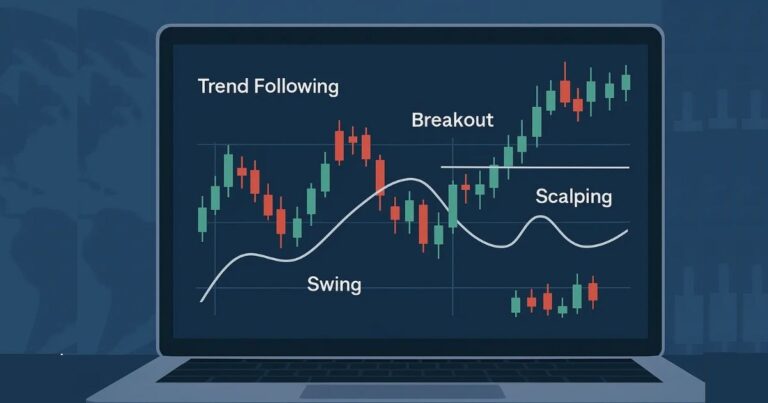
Switching from a trend-following strategy to scalping after every minor drawdown makes it difficult to determine whether a strategy actually has a statistical edge. A consistent testing and review process is usually more useful than constantly searching for the next strategy.
Want to build a stronger foundation before placing live trades? Read our comprehensive beginner’s guide to Forex trading.
3. Trading Psychology: How Emotions Sabotage Decisions
Technical knowledge means little if psychological discipline disappears under pressure. Successful trading requires the ability to follow a predefined plan even when the market moves against expectations.
- Fear: Can cause traders to exit winning positions too early because they are afraid of losing unrealized profits.
- Greed: Can encourage traders to hold positions too long or increase their position size beyond their original plan.
- Revenge Trading: Can lead to impulsive attempts to recover losses immediately by taking larger or poorly planned trades.
Learning when to stay out of the market is just as important as knowing when to enter. Patience and discipline can prevent many unnecessary trades.
4. Risk Management: The Foundation of Longevity
While beginners often focus heavily on finding the perfect entry signal, experienced traders place strong emphasis on risk management. Controlling exposure and protecting trading capital can be just as important as identifying profitable opportunities.
Core risk-management principles include:
- Consider limiting the amount of capital at risk on any individual trade.
- Use predefined stop-loss levels where appropriate for your strategy.
- Calculate position size based on your account size and acceptable risk rather than your desired profit.
- Avoid increasing position size simply to recover previous losses.
A suitable broker can also make a difference to your overall trading experience. Competitive spreads, reliable execution, and appropriate trading conditions can help reduce unnecessary costs, although spreads and execution conditions can change during volatile market periods.
👉 Compare IC Markets trading conditions
5. Why Choosing the Right Broker Matters
Your broker is an important part of the trading environment. Spreads, commissions, execution speed, available liquidity, platform stability, and regulatory status can all influence the practical cost and experience of trading.
A broker offering competitive trading conditions and appropriate regulatory oversight can provide a more suitable environment for executing a well-tested strategy. However, traders should always compare the broker’s current conditions, fees, regulations, and availability in their own country before opening an account.
For traders researching their options, IC Markets is one broker worth considering and comparing against other established providers.
6. How to Build a Professional Trading Plan
Consistent traders rely on a documented trading plan rather than spontaneous decisions. Your plan should clearly define your trading style, entry and exit criteria, acceptable risk, trading hours, position-sizing rules, and review process.
A simple trading plan can answer several important questions before you enter a position:
- Why am I entering this trade?
- Where will I exit if the trade moves against me?
- Where will I take profit if the setup works?
- How much capital am I willing to risk?
- What market conditions make this strategy unsuitable?
Having these answers in advance can reduce emotional decisions and make it easier to evaluate your trading performance objectively.
7. Smart Money vs. Retail Traders
Institutional participants, including major banks, asset managers, and hedge funds, operate with significantly larger volumes and different objectives than most retail traders. Their activity can have a substantial influence on liquidity and market structure.
Large orders can interact with areas where many market participants have placed stop-loss orders or pending orders, particularly around important technical levels and periods of high volatility. Understanding market structure and liquidity can therefore help retail traders interpret price movements more effectively.
The goal is not to predict every institutional move. Instead, traders should focus on understanding price behavior, managing risk, and avoiding impulsive decisions when volatility increases.
8. Practical Steps to Become a More Disciplined Forex Trader
Becoming a more disciplined trader requires a systematic approach rather than searching for a guaranteed winning strategy. Start by simplifying your process and measuring what actually works for you.
- Focus on a small number of currency pairs or markets and learn their behavior.
- Maintain a detailed trading journal to identify recurring mistakes.
- Test your strategy using historical data before committing significant capital.
- Choose an established broker and carefully compare its spreads, fees, execution, and regulatory status.
- Prioritize capital preservation instead of chasing immediate gains.
- Review your results regularly and adjust your process based on evidence rather than emotion.
If you are currently comparing brokers for your Forex strategy, you can also explore IC Markets and compare its trading conditions with other brokers available in your region.
9. Final Thoughts: Your Path Forward
Long-term Forex trading requires continuous learning, disciplined risk management, and consistent execution. By reducing emotional decisions, following a structured trading plan, and using appropriate trading tools and services, you can create a more disciplined approach to the market.
The objective should not be to find a perfect strategy or a shortcut to wealth. Instead, focus on developing a repeatable process, controlling risk, and choosing a trading environment that fits your strategy and goals.
Risk Disclosure: Forex and CFD trading involves substantial risk and may not be suitable for all investors. Leverage can magnify both profits and losses. The information provided in this article is for educational purposes only and should not be considered financial, investment, or trading advice. Past performance, including backtested or simulated results, does not guarantee future results.
Affiliate Disclosure: Some links on this page may be affiliate links. If you use an affiliate link and subsequently open an account or purchase a service, we may receive a commission at no additional cost to you.